 41/2 Sukhumvit Road, Khlong Tan Nuea, Watthana, Bangkok 10110
 094-792-9979
 Mon - Fri: 8.00 AM. - 4.00 PM.
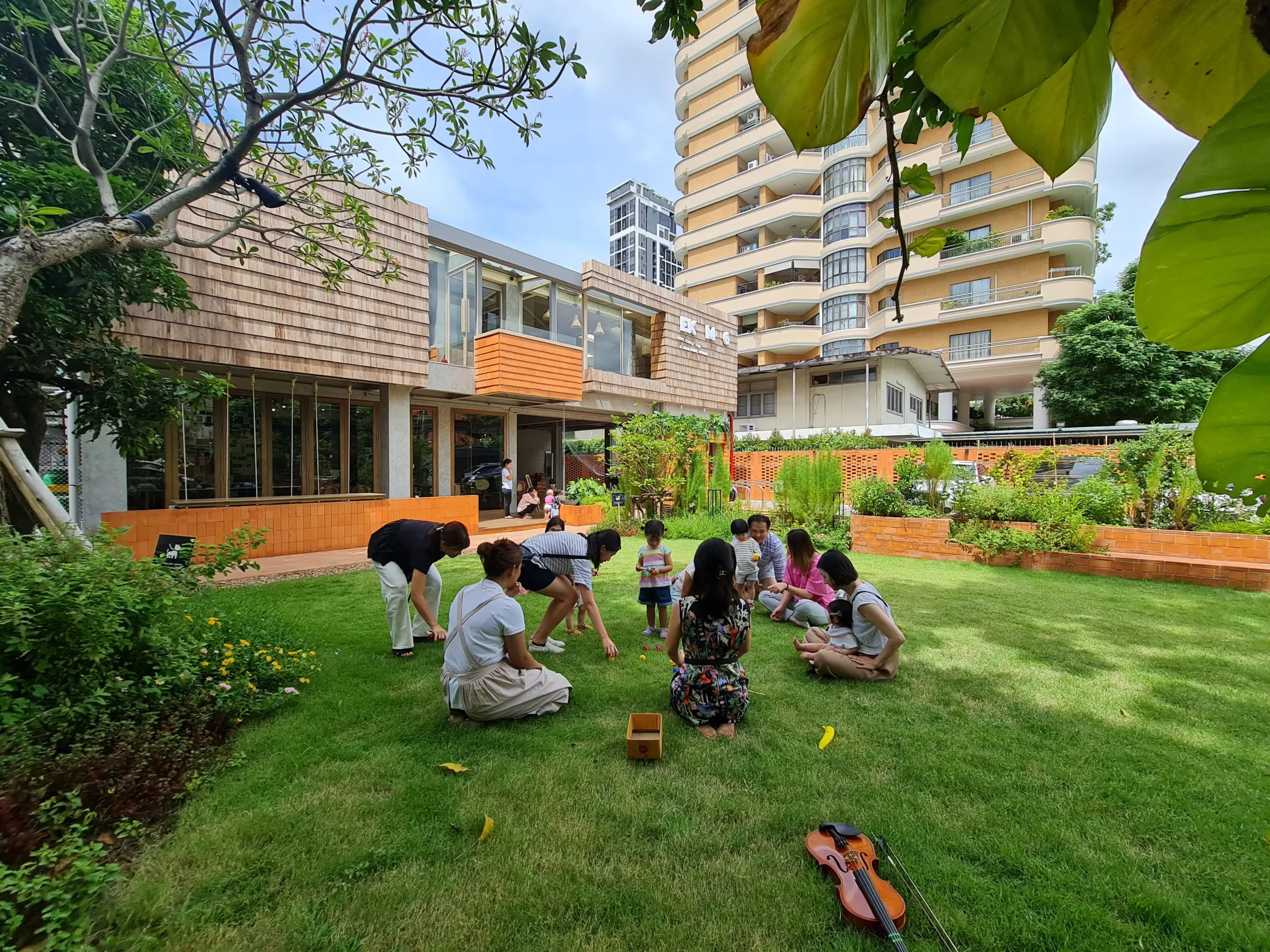
Children aged 2 to 6 are in the brain’s most critical growth window. International kindergartens support early cognitive development through multilingual learning, structured play, and culturally rich environments. Harvard’s Center on the Developing Child confirms that 90% of brain development happens before age 5, making quality early education one of the highest-impact investments a family can make.
Little Treehouse Nursery is one of the internationally aligned nurseries in Bangkok helping young children reach key cognitive milestones through structured, inquiry-based learning.
What is Early Cognitive Development and Why Does It Matter?
Cognitive development in early childhood refers to how children learn to think, reason, remember, and solve problems. The Harvard Center on the Developing Child confirms that 90% of brain architecture forms before age five, making the nursery years the most critical window for intellectual growth. International schools that align their programmes with developmental science give children a measurable head start that compounds well into primary education.
At What Age Does Cognitive Development Begin?
Cognitive development begins at birth. By age 3, a child’s brain forms over 1,000 trillion synaptic connections, more than at any other stage in life.
How Does an International Kindergarten Boost Brain Development?
International kindergartens combine cultural diversity, inquiry-based methods, and globally recognized curricula to stimulate multiple areas of the developing brain at once.
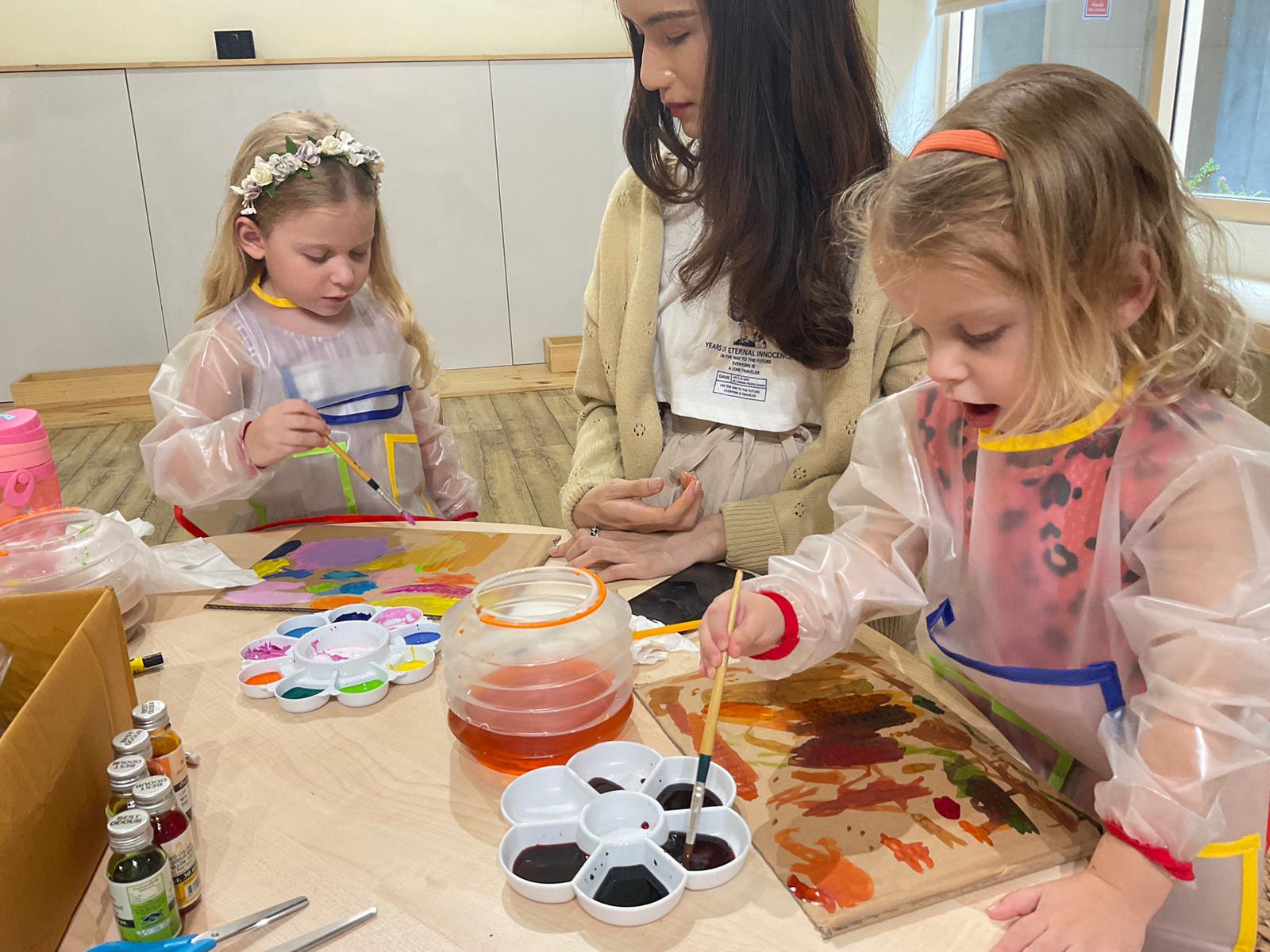
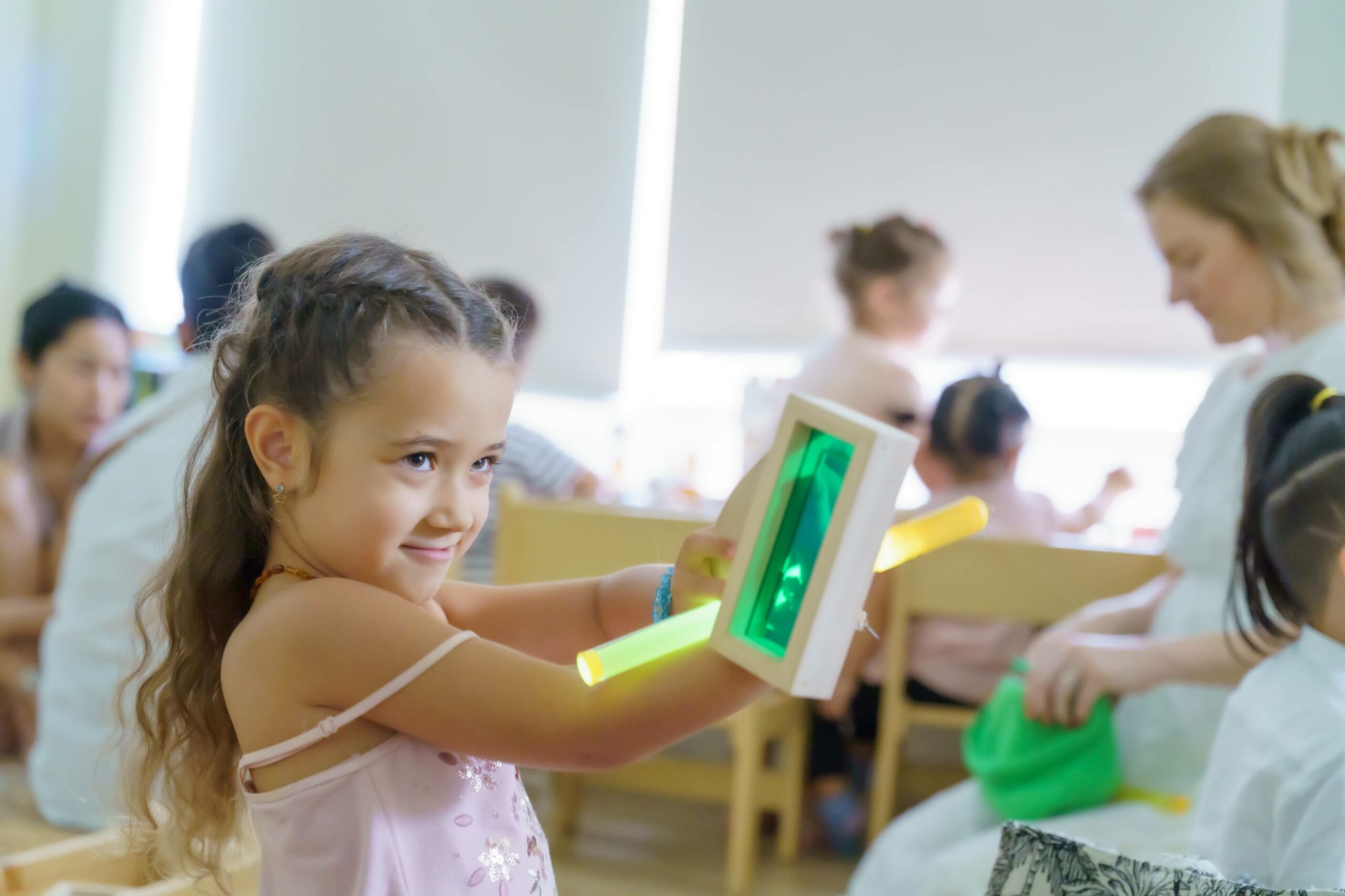
- Inquiry-Based Learning: Strengthens problem-solving and critical thinking through guided questions and hands-on exploration.
- Multilingual Exposure: Improves executive function and cognitive flexibility, as confirmed by Bialystok et al. (2011) in Developmental Science.
- Structured Play: Builds memory, attention span, and creativity, per the American Academy of Pediatrics.
- Cultural Diversity: Builds flexible thinking and social cognition through regular peer interaction across different backgrounds.
- Certified International Educators: Apply developmentally appropriate practices aligned with IB or Montessori frameworks.
Children in internationally structured environments consistently demonstrate stronger cognitive performance by primary school entry.
International Schools vs. Local Nurseries: What Sets Them Apart?
International nurseries follow globally recognized frameworks like the British EYFS or IB PYP, each designed with specific cognitive milestones at every developmental stage. Local nurseries offer strong cultural familiarity but often lack the structured, inquiry-driven methodology linked to measurable cognitive gains. For families in Bangkok, a nursery in Bangkok with international accreditation delivers both global academic standards and the nurturing care young children need.
Is an International Nursery Better for My Child’s Brain Development?
Children entering multilingual households or international primary schools benefit most. Internationally structured nurseries produce documented advantages in language acquisition, cognitive flexibility, and school readiness scores by age 5.
Which Learning Methods in a Nursery in Thailand Best Support Cognitive Growth?
Nurseries in Thailand aligned with international standards apply evidence-based methods that prioritize active, child-led engagement over passive instruction.
- Montessori Method: Builds concentration, logical reasoning, and spatial awareness through self-directed exploration.
- Project-Based Learning: Develops sustained attention, working memory, and analytical ability through real-world investigation.
- STEM Integration: Builds numerical reasoning and abstract thinking from age 3 through early science and math exposure.
- Storytelling and Literacy Circles: Develops vocabulary retention, language processing, and early literacy skills.
- Movement-Based Learning: Supports motor-cognitive coordination and improves focus through physical activity.
Nurseries in Thailand consistently applying two or more of these methods show measurable improvements in school readiness at age five, according to OECD Early Childhood Education reports.
How Multilingual Classrooms in a Nursery in Bangkok Strengthen Young Minds
A landmark study in Cognition (Kovacs and Mehler, 2009) found that bilingual infants as young as seven months showed superior cognitive control over monolingual peers. In a nursery in Bangkok, children in classroom are exposed to English, Thai, and sometimes a third language, training the brain to manage competing systems. This directly strengthens attention, mental flexibility, mathematical reasoning, and reading comprehension well into primary school.
What to Look for in an International Nursery for Early Cognitive Development
Not every nursery labeled international delivers equal cognitive benefits. These indicators help parents identify schools that genuinely support brain development during the most critical learning window.
- Accredited Curriculum: Look for EYFS, IB PYP, or Reggio Emilia frameworks grounded in developmental science.
- Low Student-to-Teacher Ratio: A 1:5 ratio or better sustains cognitive engagement and responsive instruction.
- ECE-Certified Educators: Teachers with early childhood credentials consistently apply research-based developmental strategies.
- Language Immersion Programmes: Structured multilingual exposure from age 2 produces the strongest long-term cognitive outcomes.
- Ongoing Developmental Assessment: Regular tracking ensures children meet milestones and receive early support when needed.
Families seeking a nursery in Bangkok or a nursery in Thailand should use these five criteria as a practical checklist before enrollment.
Why Choose Little Treehouse Nursery?
Little Treehouse Nursery is an internationally structured nursery in Bangkok that delivers early childhood education grounded in cognitive development research and globally recognized frameworks. The nursery provides a multilingual, nurturing environment where children aged 2 to 6 build critical thinking, language, and social skills through structured play and inquiry-based learning. Families seeking a trusted nursery in Thailand that combines international academic standards with warm, child-centered care will find Little Treehouse Nursery a strong foundation for their child’s early learning journey.
Conclusion
Early cognitive development is shaped by the quality of learning environments children experience in their first five years. International kindergartens that combine multilingual exposure, structured play, and accredited curricula give young children the cognitive tools they need to thrive academically and socially long before primary school begins.
For families looking for a nursery in Bangkok that genuinely prioritizes brain development, Little Treehouse Nursery offers an internationally aligned programme built around how young children actually learn and grow. If you are searching for a trusted nursery in Thailand that supports your child’s cognitive milestones from the very start, get in touch with Little Treehouse Nursery now to schedule a visit and learn more about their early childhood programmes!
Leave a reply