 41/2 Sukhumvit Road, Khlong Tan Nuea, Watthana, Bangkok 10110
 094-792-9979
 Mon - Fri: 8.00 AM. - 4.00 PM.
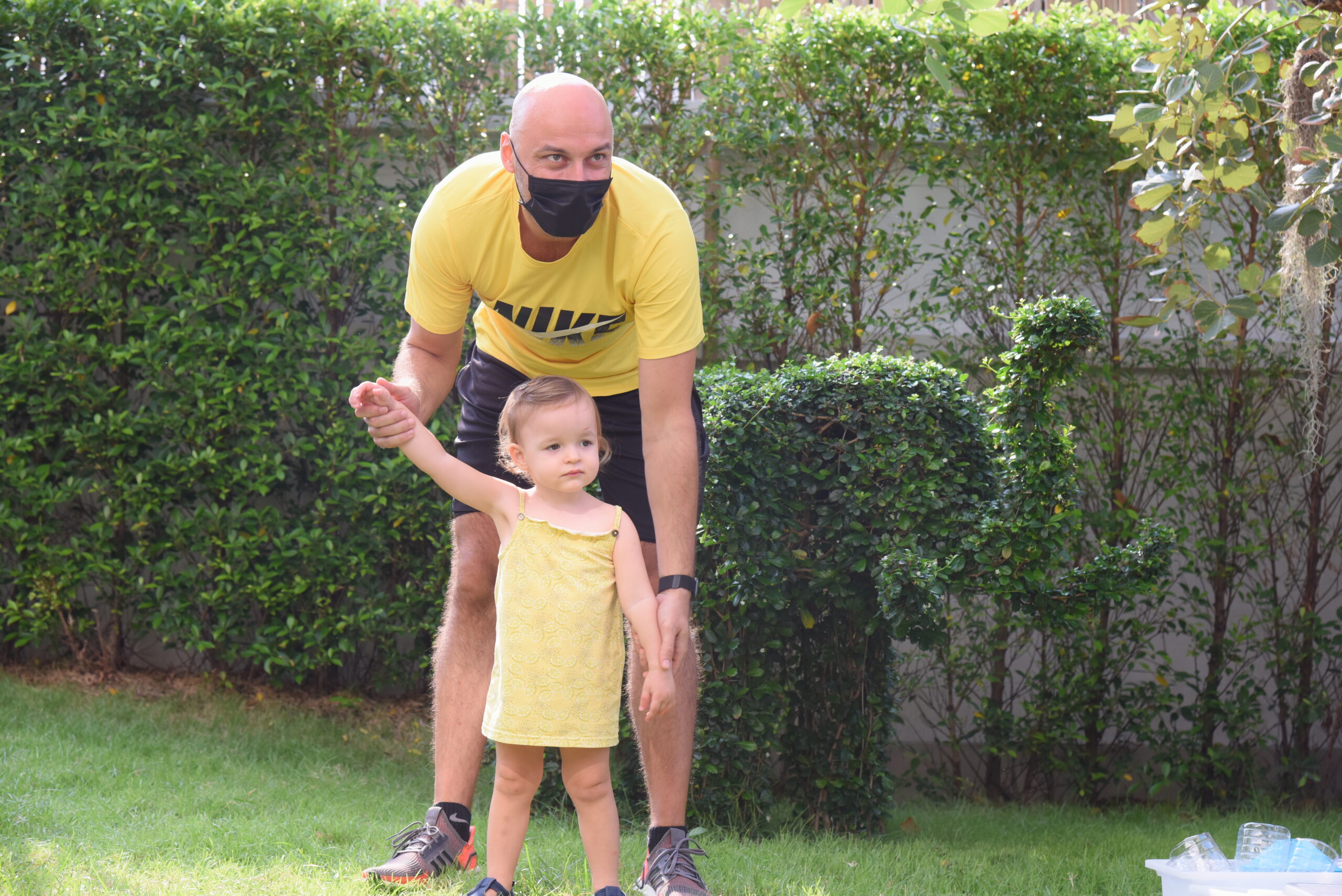
Nursery school builds learning habits through repetition, not instruction. Children who attend a structured nursery program develop longer attention spans, better self regulation, and stronger pre literacy skills than children who stay home at the same age, mainly because nursery repeats the same routines daily until they stick. Most of these habits form between ages 2 and 4, which is also the window when a child’s brain forms neural connections fastest, according to Harvard’s Center on the Developing Child.
A three-year-old who can sit through a ten-minute story time didn’t arrive at that skill on their own. Somebody built it, session by session, usually without the child noticing it was being built at all. That’s the quiet work nursery school does, and it’s easy to miss because none of it looks like homework. Little Treehouse Nursery, a small nursery in Bangkok’s Thonglor area with around 60 students, runs its days around this idea rather than around any single teaching block.
What Are Learning Habits in Early Childhood and Why Do They Matter
Learning habits at nursery age aren’t about knowledge, they’re about behavior around learning. Sitting still for a short period, following a two step instruction, waiting for a turn, these are the actual building blocks, and they matter more at this age than any letter or number a child can recite. A 2023 review published in Frontiers in Psychology found that self regulation skills measured at age 4 predicted academic performance more reliably than early literacy scores did. Nursery school is where most children get their first repeated practice at these behaviors, simply because a classroom of fifteen kids forces turn taking in a way a household of one or two doesn’t.
How Does a Nursery Routine Actually Build These Habits
Routine works here because young children learn through repetition rather than explanation, and a nursery day repeats the same sequence often enough that the sequence itself becomes the lesson. A typical day breaks down something like this:
- Arrival and free play, which gives a child a predictable transition into the school environment before anything structured starts
- Circle time, where waiting for a turn to speak gets practiced daily until it stops requiring active effort
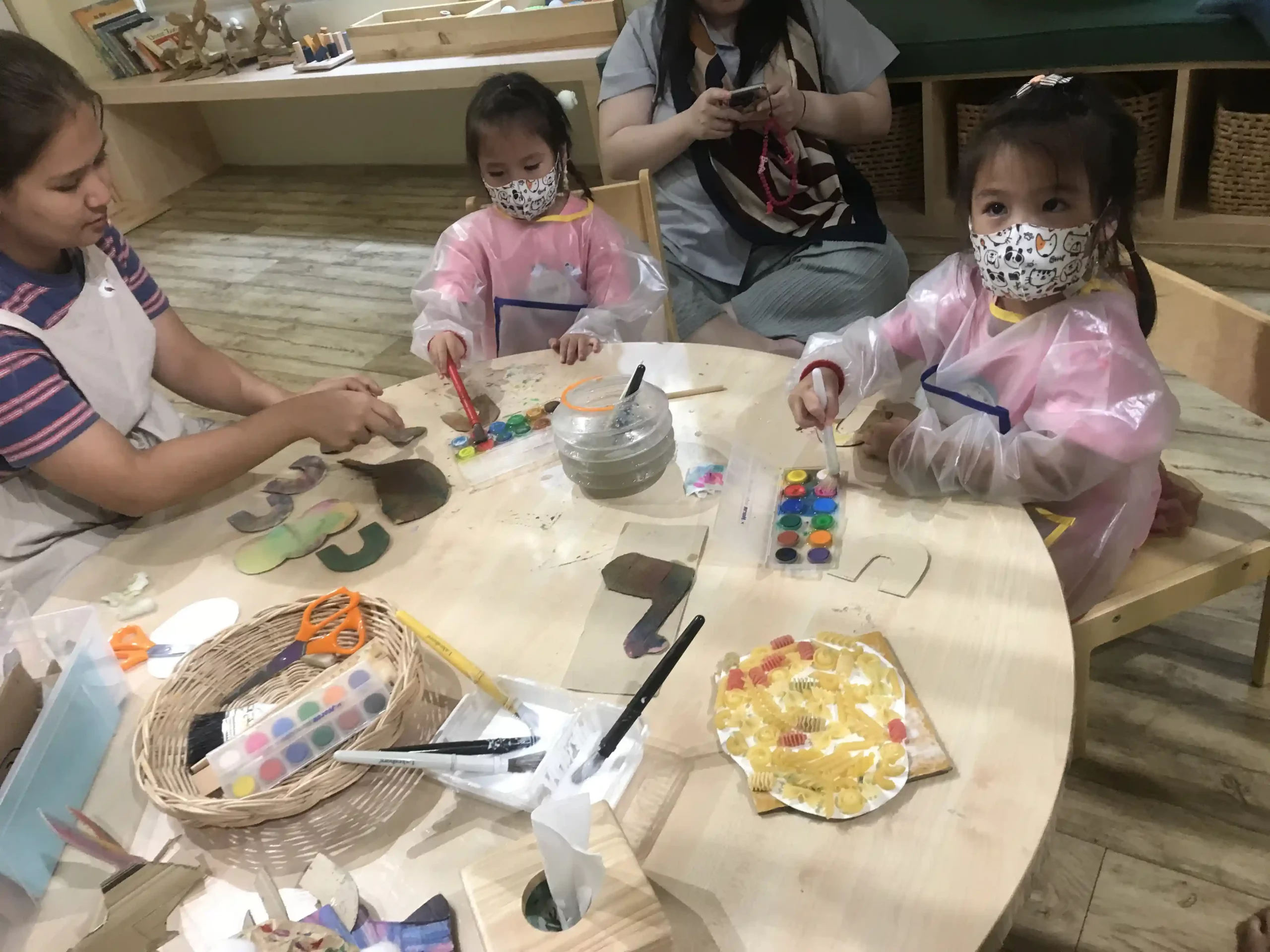
- A rotating activity block, moving between art, sensory play, and short instructional sessions every 20 to 30 minutes
- Outdoor or garden time, which resets attention before the next structured block
- A tidy up routine before transitions, teaching a child to finish one task cleanly before starting another
None of these steps teaches a fact. Each one drills a behavior, and behaviors are what carry over into a formal classroom later.
Does Starting Nursery Early Actually Improve Long Term Learning Outcomes
Yes, though the effect is more about consistency than about starting at a specific age. Research from the National Institute for Early Education Research has repeatedly found that children enrolled in structured early years programs show measurably stronger school readiness by kindergarten, particularly in attention and social skills rather than academic content. The gap isn’t huge for a child who starts nursery at 2 versus 3, but it does widen for children who get no structured group setting at all before age 4, since that’s the period when turn taking and shared attention are hardest to build without practice.
What Should Parents Look for in a Nursery School to Support Habit Building
A nursery that rotates activities without any real structure behind it won’t build habits any faster than an unstructured playdate does. A few things worth checking on a tour:
- Whether the daily schedule is visible and consistent, since children build habits from repetition, not from a curriculum document
- How transitions between activities are handled, because the transition itself is often where the actual habit forming happens
- Class size and teacher ratio, since consistent adult attention matters more for habit building than the specific curriculum brand
- Whether the school documents behavioral progress, not just academic milestones, over a term
- How outdoor and free play time is protected in the schedule rather than treated as filler
A school that can walk through its daily rhythm clearly on a tour is usually one that actually built its program around habit formation rather than describing it that way afterward.
What Does This Look Like at a Nursery School in Bangkok Specifically
Bangkok’s heat pushes most schools to schedule outdoor time in the early morning, before 10am, and shift indoor sensory or structured work into the hotter midday hours. This isn’t a minor scheduling detail, it changes how a habit sequence gets built across the day compared to a nursery in a cooler climate. Get in touch with Little Treehouse Nursery today and ask directly how a specific weekly schedule handles this rotation, since the answer tends to reveal more about a school’s actual structure than its marketing materials do.
Why Enroll Your Kid with Little Treehouse Nursery
Little Treehouse Nursery runs an EYFS based curriculum with roughly 60 students, and around 80 percent of families enrolled are foreign nationals, which shapes a genuinely international classroom rather than one with a few token expat kids mixed in. The school sits in Bangkok’s Thonglor area, giving it easier access to the kind of morning outdoor scheduling that Bangkok’s climate makes necessary for habit building routines. Class size stays small enough that transitions between activities get the consistent adult attention that habit formation actually depends on, rather than one teacher managing a room too large to track who needs help with a routine.
Conclusion
Learning habits form through repetition long before they show up as academic skill, and nursery is where most children get their first sustained practice at sitting, waiting, and finishing a task before starting the next one. The daily rhythm matters more than any single activity inside it, which is why the schedule itself is worth asking about directly on a tour rather than taking a curriculum brochure at face value.

Leave a reply