 41/2 Sukhumvit Road, Khlong Tan Nuea, Watthana, Bangkok 10110
 094-792-9979
 Mon - Fri: 8.00 AM. - 4.00 PM.
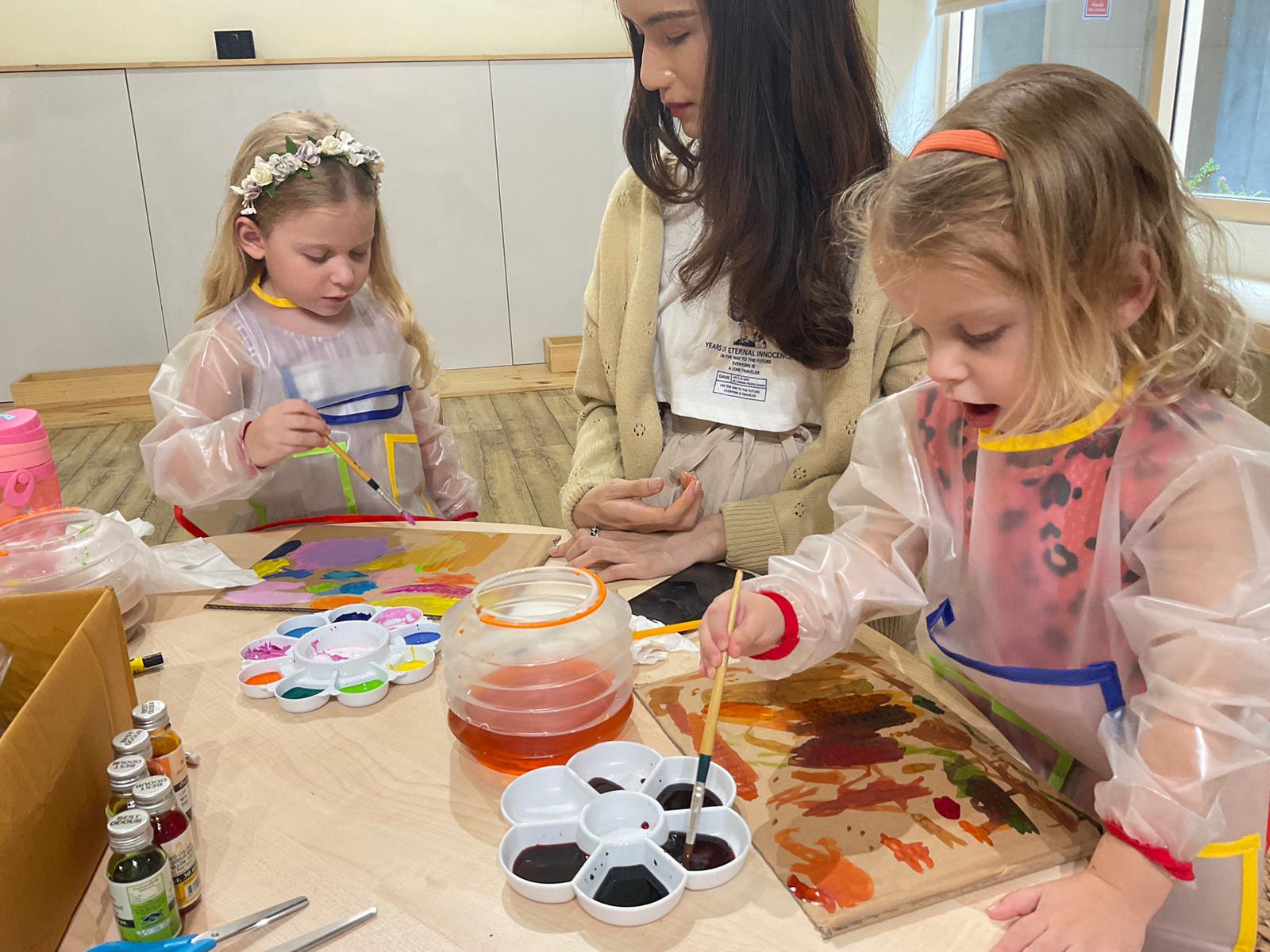
Play is not a break from learning in a well-run international kindergarten, it is the learning. Research from the UK’s Education Endowment Foundation links guided play to measurable gains in early language, literacy, and numeracy, and multicultural classrooms add a second layer of benefit through daily exposure to different languages and social habits. The strongest programmes balance structured, teacher guided play with genuine free exploration.
Choosing a preschool abroad brings its own pressure, and international kindergarten sits right at the centre of two common parenting debates: how much structure a young child needs, and how much a multicultural classroom actually matters. Little Treehouse Nursery, based in Bangkok’s Thonglor area, runs an EYFS aligned programme built around play rather than worksheets. What follows looks at what the research says, and what it looks like in a classroom with children from a dozen backgrounds sharing the same rug.
What Role Does Play Have in International Kindergarten Classrooms Today?
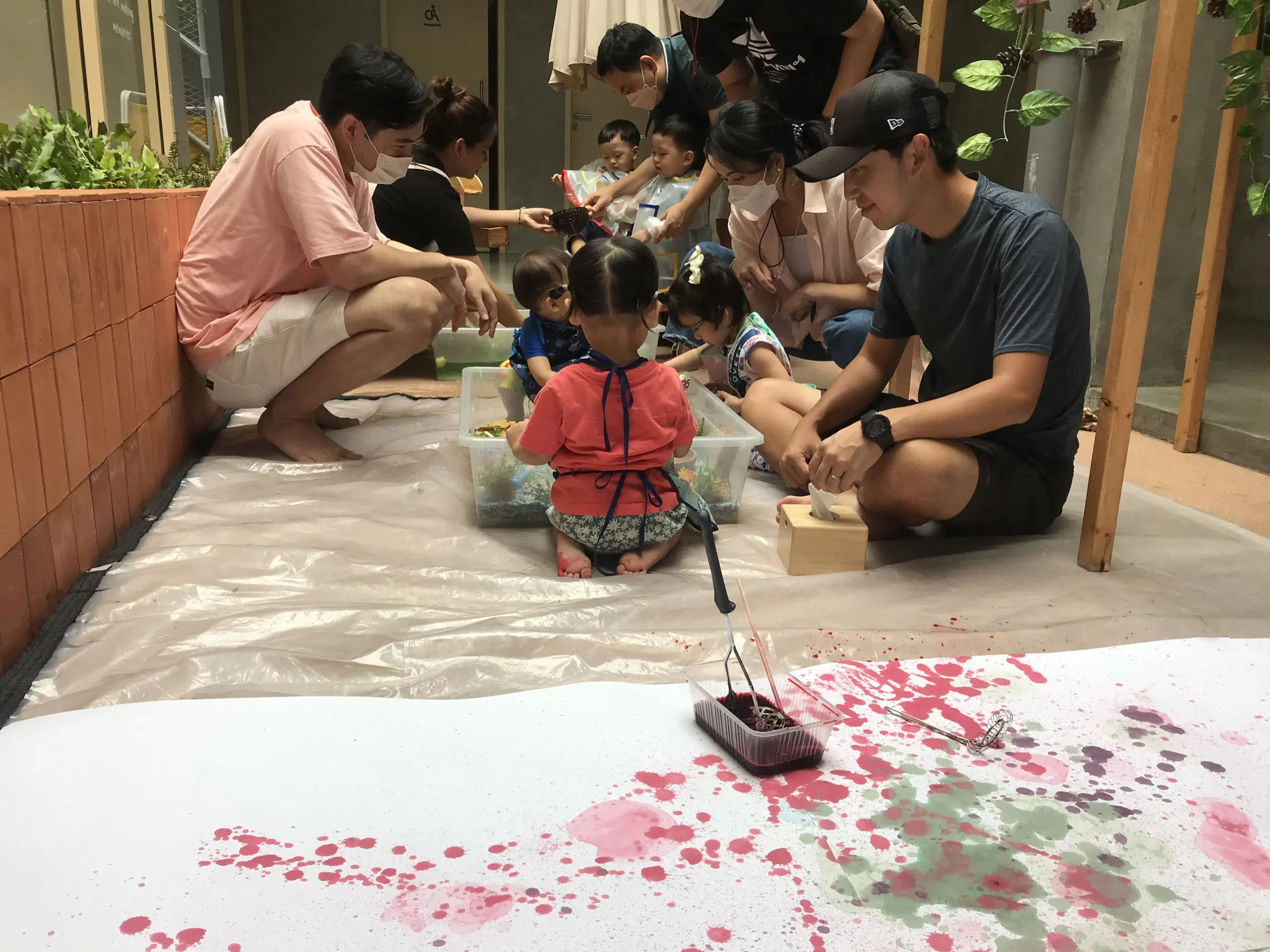
Play in an international setting does more than one job at once. A child stacking blocks with a classmate who speaks a different first language is practicing motor skills, but also guessing intent and building tolerance for not understanding everything right away.
- Language exposure happens incidentally through shared play, which lowers the pressure of direct instruction
- Social skills develop faster in mixed nationality groups since children cannot lean on shared cultural shortcuts
- Emotional regulation improves through guided play, based on studies measuring outcomes like frustration tolerance
That combination is hard to recreate through formal lessons alone.
How Does Play Based Learning Support Early Childhood Development Milestones?
The evidence is more mixed than most marketing copy admits. The Education Endowment Foundation’s Early Years Toolkit estimates play based approaches add roughly four extra months of progress on average, with gains across language, literacy, and numeracy. A separate meta analysis by Skene and colleagues found the picture less settled, noting the evidence is not yet strong enough across every outcome for full confidence, though it does support guided play for maths specifically.
What Is the Difference Between Structured Play and Free Play in Kindergarten?
Structured play has an adult setting a loose goal, a sorting game or a building challenge, while the child chooses how to get there. Free play has no adult agenda at all. A scoping review of over fifty peer reviewed studies found most existing research still centres on the 4 to 6 age range, spanning North America, Europe, Asia, and Africa, which suggests even academic study design leans toward guided approaches.
How Does an International Kindergarten in Bangkok Combine Play and the EYFS Curriculum?
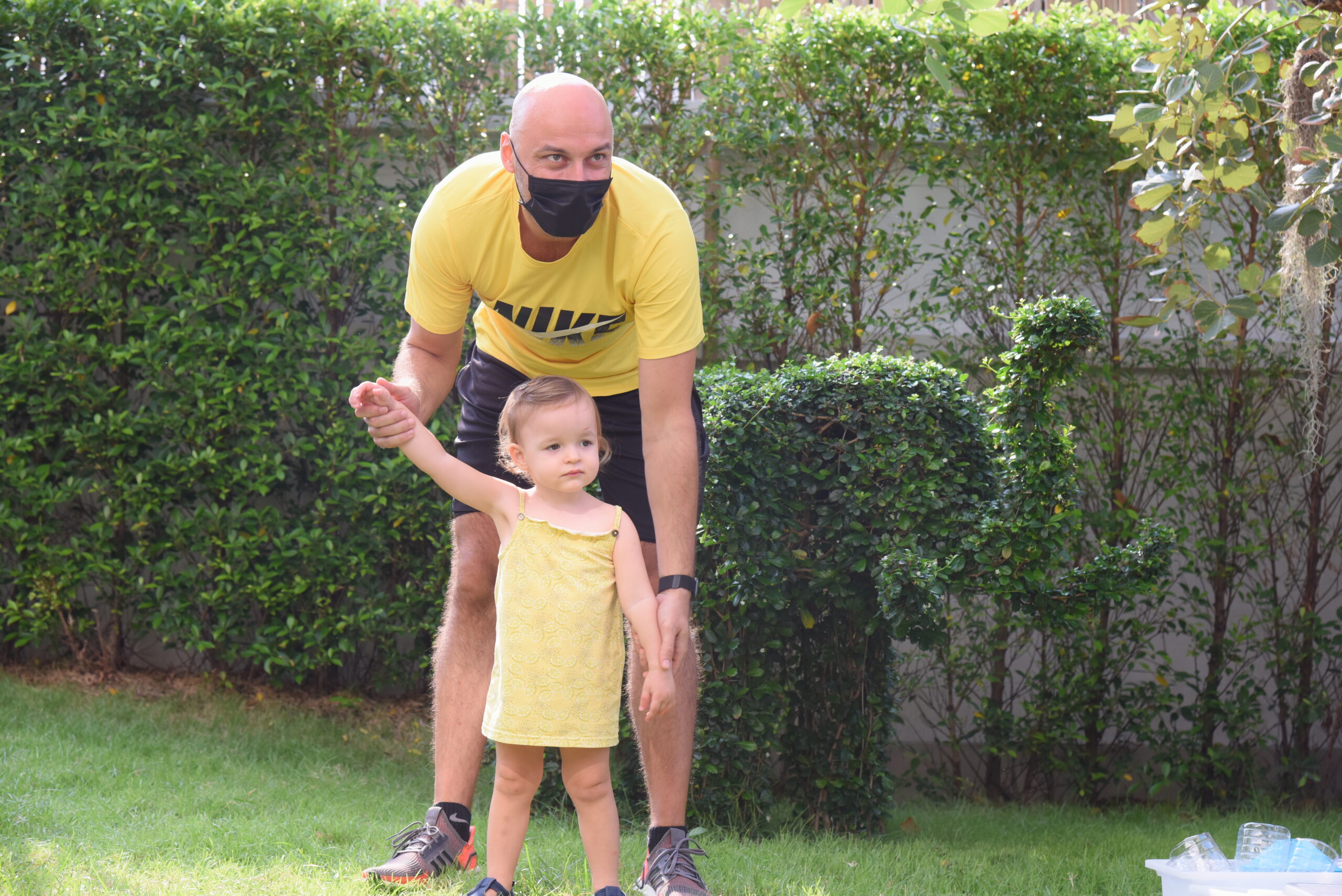
The EYFS framework, developed in the UK, is built around seven learning areas delivered largely through play rather than seated instruction before age five. Little Treehouse Nursery runs its four classes, from Nursery through Kindergarten 2, on this model, layering in Reggio Emilia and Montessori elements. In practice that means sensory stations, outdoor sessions, and cooking or art activities that double as language practice.
What Should Parents Look for When Choosing a Play Based International Kindergarten?
A play heavy prospectus sounds good on paper, but the details matter more than the label. Parents comparing schools in Bangkok are usually told the same thing: check who is actually in the classroom.
- Ask whether play is guided by qualified early years staff, since the research gap is mostly around unsupervised free play
- Check adult to child ratios during play sessions specifically, not just headline enrolment figures
- Ask how progress gets tracked, since a proper EYFS programme still produces developmental records despite the play focus
One thread on the International Schools Review forum put it plainly, warning that plenty of schools calling themselves international hire unqualified teachers to cut costs, which is reason enough to look past the word on the sign.
Why Do Experts Still Debate the Value of Play in Early Years Education?
Not every early years academic agrees play deserves the space it currently gets.
- Some researchers argue the evidence base, while positive, is thinner than the current enthusiasm suggests
- Others note play is often undervalued by school leadership even where teachers rate it highly
- A recurring criticism is that play based approaches struggle to survive contact with standardized testing further up the school
Play works well for young children, but it is not settled science the way a vaccination schedule is. Parents are choosing a philosophy as much as a proven formula, and that is worth going in aware of.
Why Little Treehouse Nursery?
Little Treehouse Nursery runs an EYFS aligned programme across Nursery through Kindergarten 2, built on play rather than seated instruction, with Reggio Emilia and Montessori elements layered in. The school is based in Bangkok’s Thonglor area and works with a genuinely mixed nationality group of children, which is where a lot of the informal language learning discussed above actually happens. Class sizes stay small enough that teachers can adjust structured play activities to individual children rather than running one fixed programme for the whole room.
Conclusion
Play in an international kindergarten setting is doing several jobs at once, language exposure, social skill building, and early academic groundwork, even when it looks like nothing more than a group of children building with blocks. The research backs this up in places and stays genuinely unsettled in others, which is worth knowing rather than ignoring when comparing schools.
For parents in Bangkok weighing a play based, multicultural environment against a more academic one, the classroom itself tends to answer the question faster than a prospectus ever will. Contact Little Treehouse Nursery today and arrange a visit to see a real play session in progress!
Leave a reply