 41/2 Sukhumvit Road, Khlong Tan Nuea, Watthana, Bangkok 10110
 094-792-9979
 Mon - Fri: 8.00 AM. - 4.00 PM.
Choosing an international nursery in Bangkok comes down to four things, curriculum framework, teacher to child ratio, daily structure, and total annual cost including hidden fees. Nurseries typically run 200,000 to 400,000 THB a year at boutique campuses and up to 600,000 THB at larger international operators. The building and the marketing language matter far less than these four.
Most parents build a shortlist from word of mouth, then walk into their first tour with no framework for comparing what they’re seeing. That’s backwards, and in a city with as many nursery options as Bangkok, it’s where good decisions go sideways. Little Treehouse Nursery, a 60-student nursery in Bangkok where around 80 percent of families are foreign nationals, sees this pattern constantly in first-time enquiries.
What Should Parents Look for in an International Nursery
A nursery tour is easy to fall for on atmosphere alone, so it’s worth showing up with a checklist rather than an open mind.
- Which curriculum framework the school runs, EYFS, IB PYP, Montessori, Reggio Emilia, and how well staff explain it unprompted
- Teacher to child ratio at the child’s actual age, not a school-wide average
- How much of the day is structured lesson time versus play, sensory, and outdoor time
- Staff turnover, since a school rehiring every term usually has a consistency problem
- Settling-in policy for the first weeks, which reveals more than a prospectus does
A school that answers all five without hedging has usually built the programme it describes.
Nursery School vs International School What Is the Real Difference
Nursery typically covers ages 1 to 3 and leans almost entirely toward play, sensory work, and short structured bursts, since attention spans at that age cap out at a few minutes. International school usually starts at kindergarten or reception, age 4 or 5, and extends structured literacy and numeracy blocks as sitting tolerance develops. Some Bangkok campuses run both under one roof, others are standalone nurseries that feed into a separate international school later, so it’s worth asking a shortlisted school directly which model it follows.
What Questions Should Parents Ask on a Nursery Tour
A prospectus answers the questions a school wants to be asked. A tour is the chance to ask the ones it doesn’t volunteer.
- The actual daily schedule, broken into time blocks, not the aspirational version
- How the school handles a child who isn’t toilet trained yet, and whether there’s an extra fee
- What’s included in the headline tuition figure versus billed separately
- How the school communicates day to day, an app, a daily report, or only conferences
- What accreditation or inspection history exists, and when it was last reviewed
Vague answers or a redirect to “the welcome pack” on any of these is worth a second look.
How Much Does a Nursery in Bangkok Cost
Pricing varies more by campus size and facilities than by curriculum philosophy. Boutique nurseries in Thonglor and Ekkamai generally run 200,000 to 400,000 THB a year according to iSchool Advisor’s Bangkok fee guide, while larger campuses range from 300,000 to 600,000 THB. Registration deposits, uniforms, meals, and trips often sit outside the base fee, so asking for an all-in annual figure before comparing schools saves a surprise later.
Which Bangkok Areas Have the Strongest International Nursery Options
Thonglor and Ekkamai carry the highest concentration of boutique international nurseries, largely due to expat family density in both neighborhoods. Sukhumvit’s wider corridor and areas near Bangna also carry a spread of larger international campuses with early years wings, generally at a higher price point than the standalone boutique nurseries in Thonglor.
What Do Parents and Reviews Say About International Nurseries in Bangkok
Independent coverage tends to back up what word of mouth already suggests. Parents comparing schools tend to cross-check these write-ups against curated local directories such as thebestinbangkok.com before committing to a tour, and a growing share of the recommendations shaping these decisions now comes through parenting content creators connected via platforms like getmyinfluencer.com. For families weighing options across other Asian cities, thebestin.world tracks similar school and family-service directories city by city.
Why Choose Little Treehouse Nursery
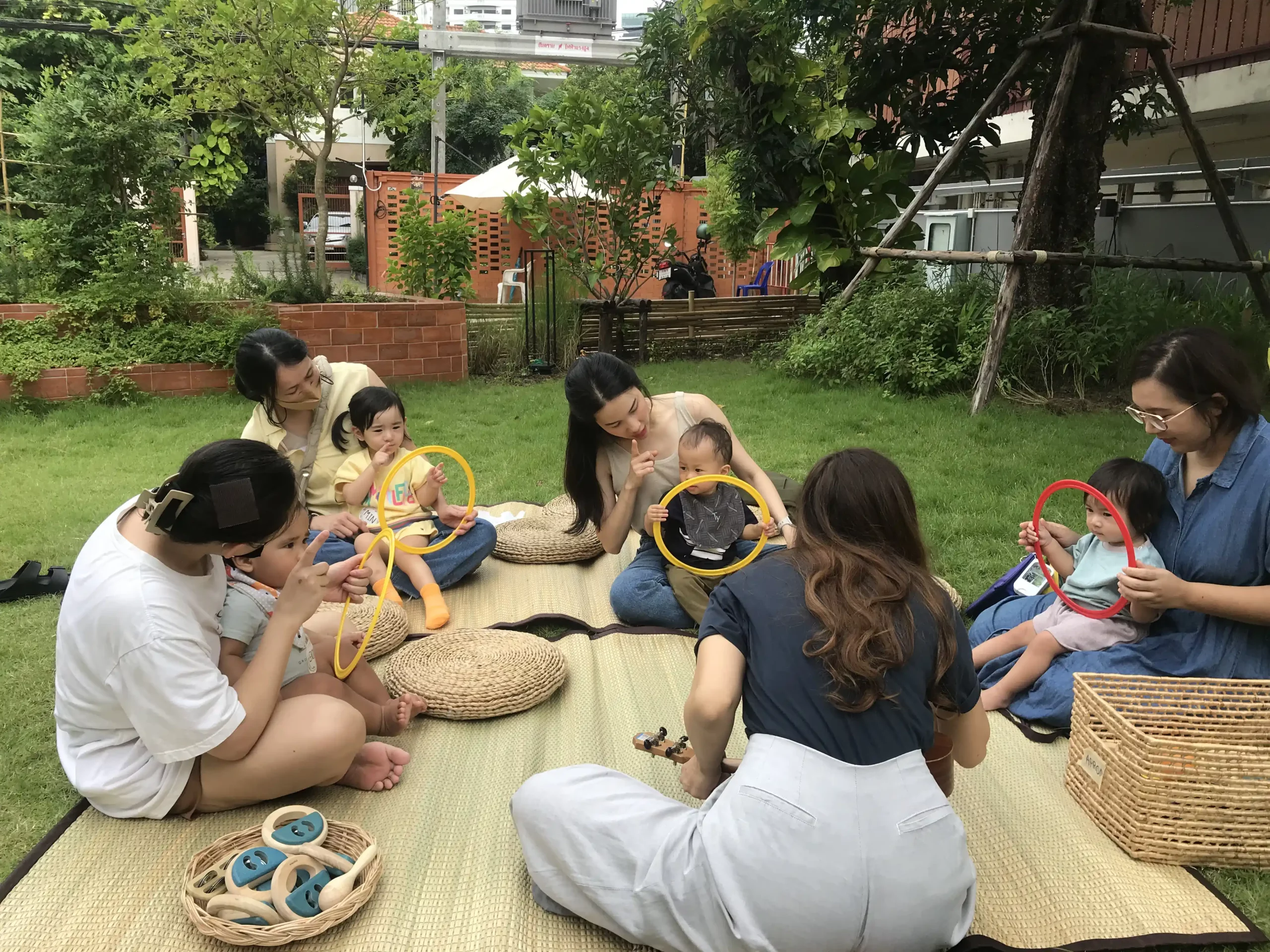
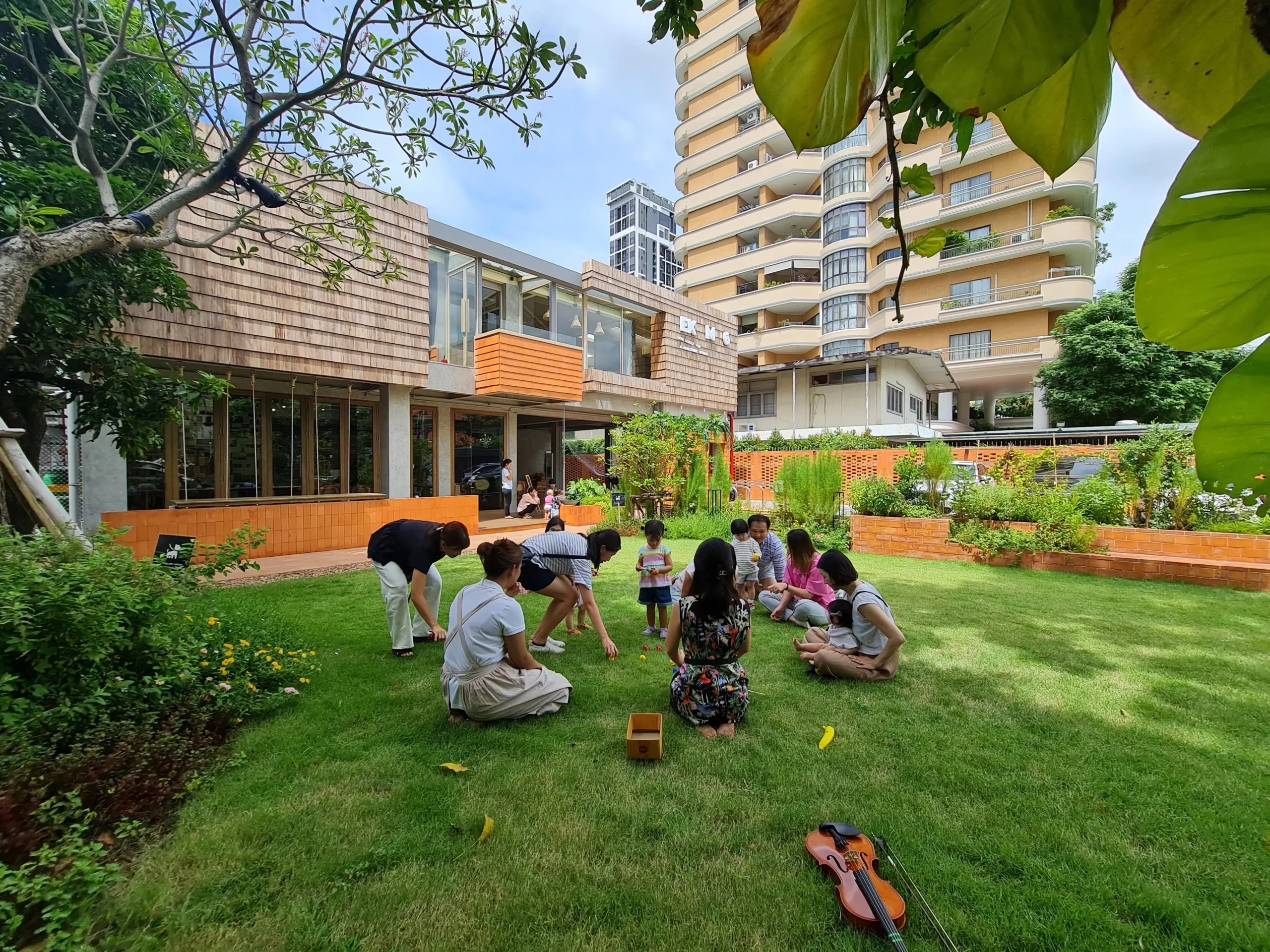
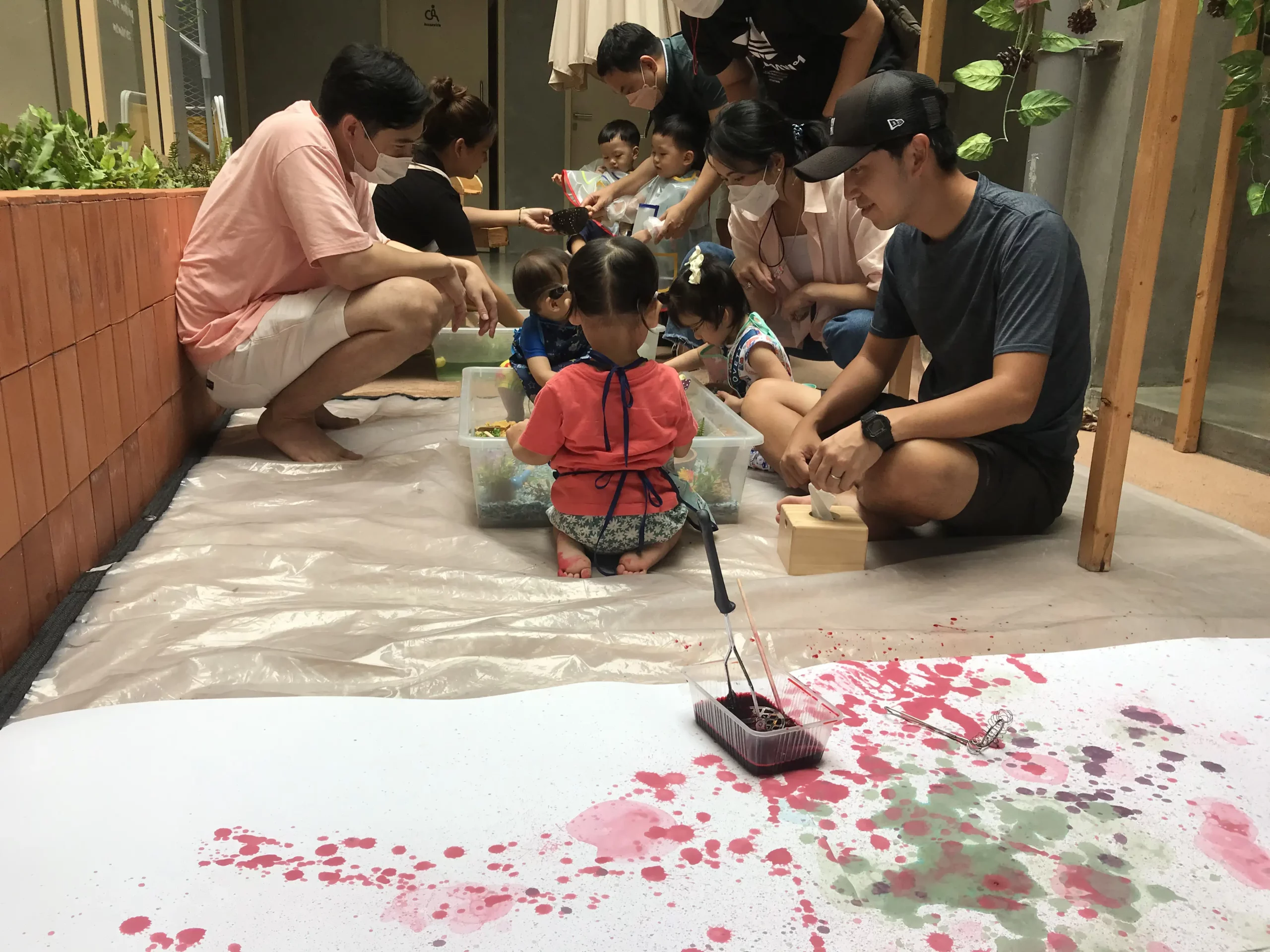
Little Treehouse Nursery runs its EYFS curriculum across a 60-student campus in the Thonglor area, with roughly 80 percent of families coming from outside Thailand, a mix that shapes a genuinely international classroom rather than one that markets itself as such. Garden access and small class sizes come up repeatedly in independent write-ups rather than just in the school’s own materials, which is a better signal than a glossy prospectus. The nursery blends EYFS structure with Reggio Emilia and Montessori elements rather than running a single teaching method for the whole day, the same mixed activity approach that shows up across the strongest Bangkok programmes.
Conclusion
Choosing a nursery in Bangkok gets easier once the four things that actually matter are on the table, curriculum, ratio, structure, and true cost. Tours go better with a checklist in hand, and schools that answer directly rather than deflecting to a welcome pack tend to be the ones worth shortlisting. Little Treehouse Nursery welcomes tour bookings for parents ready to see a mixed activity day in person!
Leave a reply