 41/2 Sukhumvit Road, Khlong Tan Nuea, Watthana, Bangkok 10110
 094-792-9979
 Mon - Fri: 8.00 AM. - 4.00 PM.
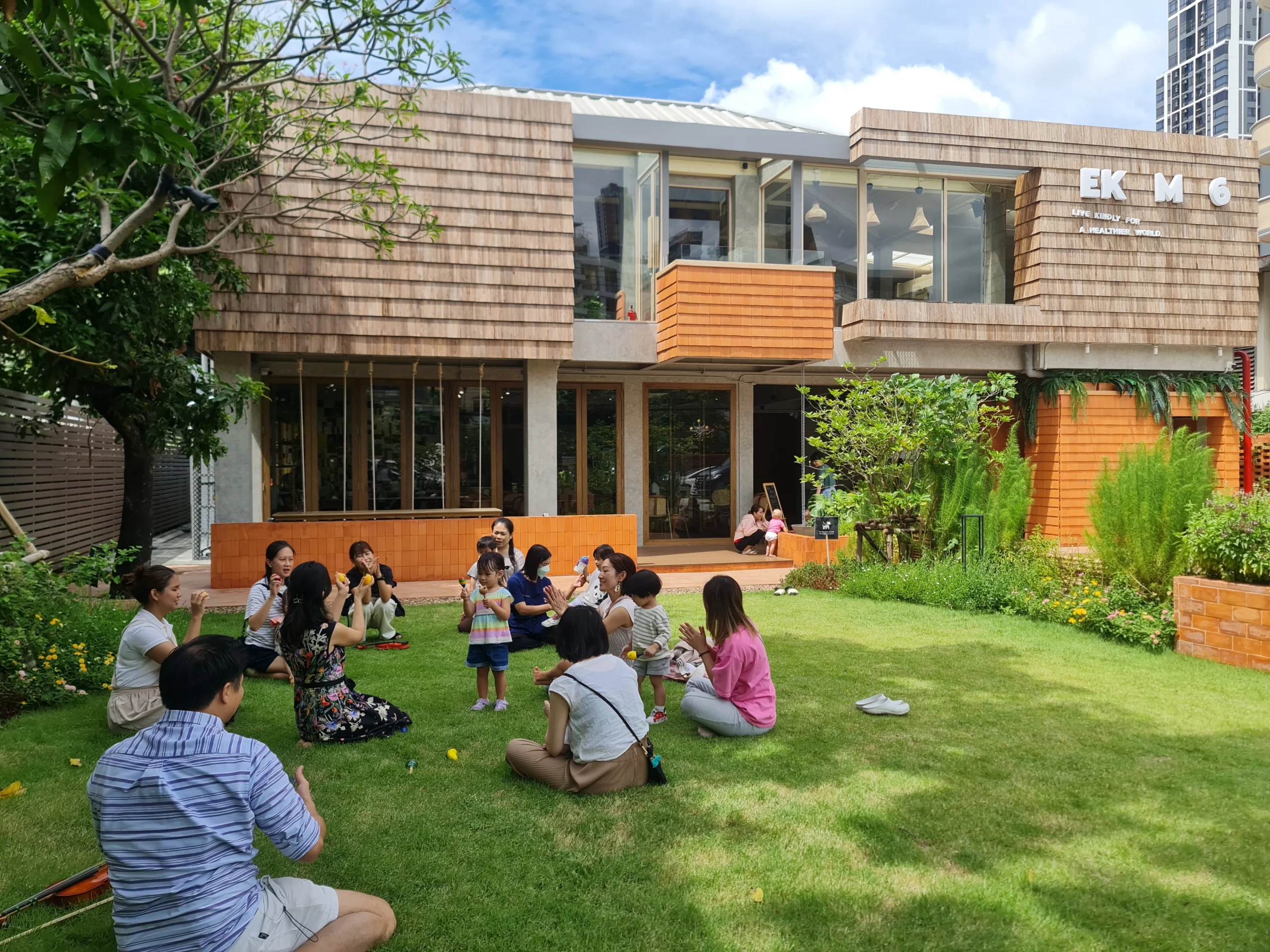
Nursery education in international schools supports early growth through structured play, multilingual exposure, and globally recognized curricula. Children aged 2 to 5 benefit most from environments that develop cognitive, social, and emotional skills at the same time. Bangkok’s international nursery schools meet these benchmarks through child-centered, research-backed methods.
Early childhood is one of the most critical windows for brain development, with 90% of brain growth occurring before age 5 (Harvard Center on the Developing Child). A nursery school in Bangkok within an international setting lays the foundation for lifelong learning and social competence. Little Treehouse Nursery is one example of an international setting in Bangkok that provides structured, nurturing early education designed around the developmental needs of young children.
What is Nursery Education and Why Does It Matter for Early Childhood?
Nursery education refers to formal early learning for children between ages 2 and 5, before compulsory schooling begins. Research from the National Institute for Early Education Research (NIEER) confirms that high-quality early childhood programs significantly improve school readiness and reduce developmental delays. International schools in Bangkok align nursery programs with globally recognized frameworks such as the EYFS or IB PYP, covering cognitive, physical, and social development.
How Do International Schools in Bangkok Structure Nursery Learning?
International nursery schools in Bangkok balance structured teacher guidance with child-led exploration across daily activities.
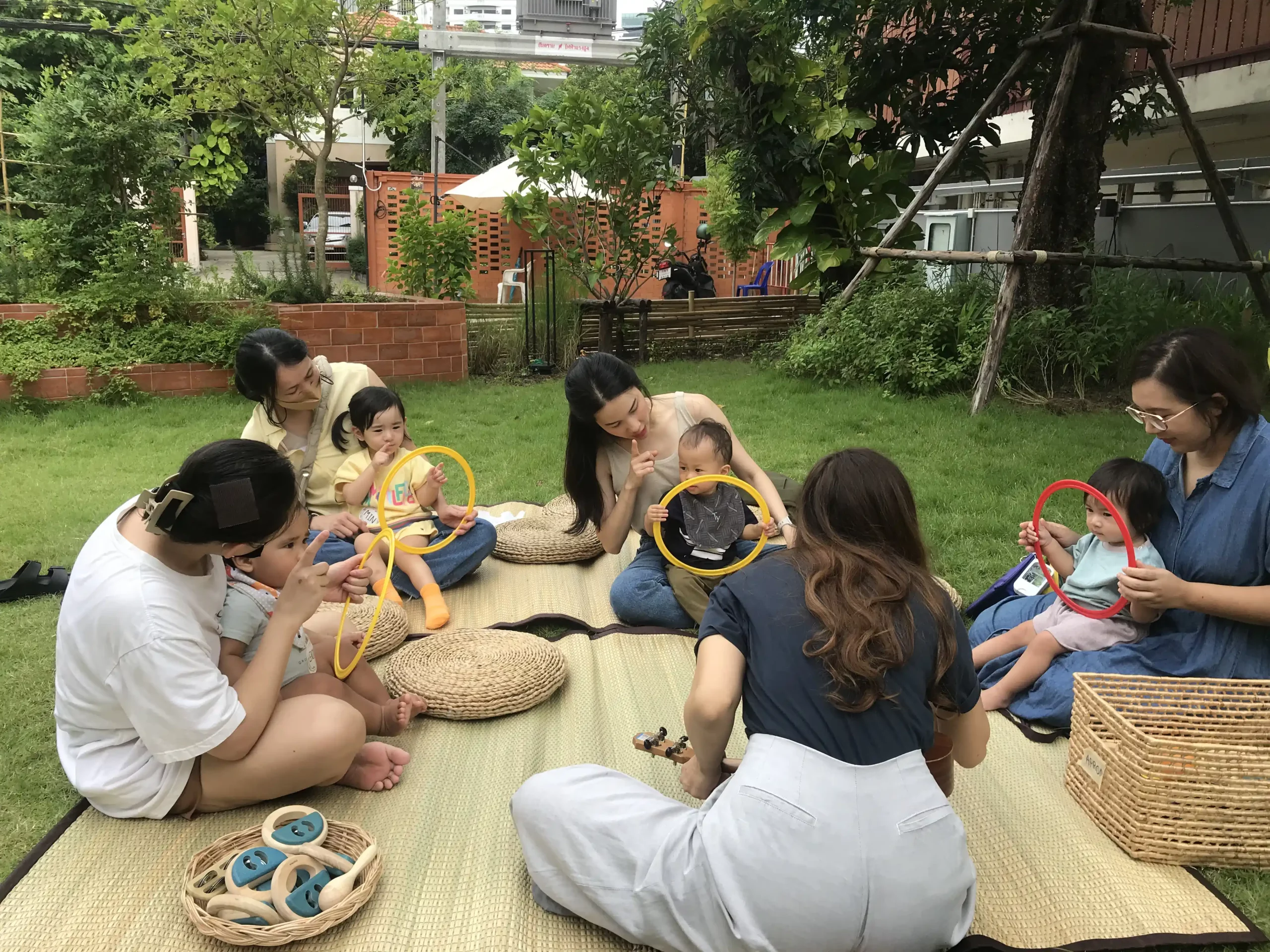
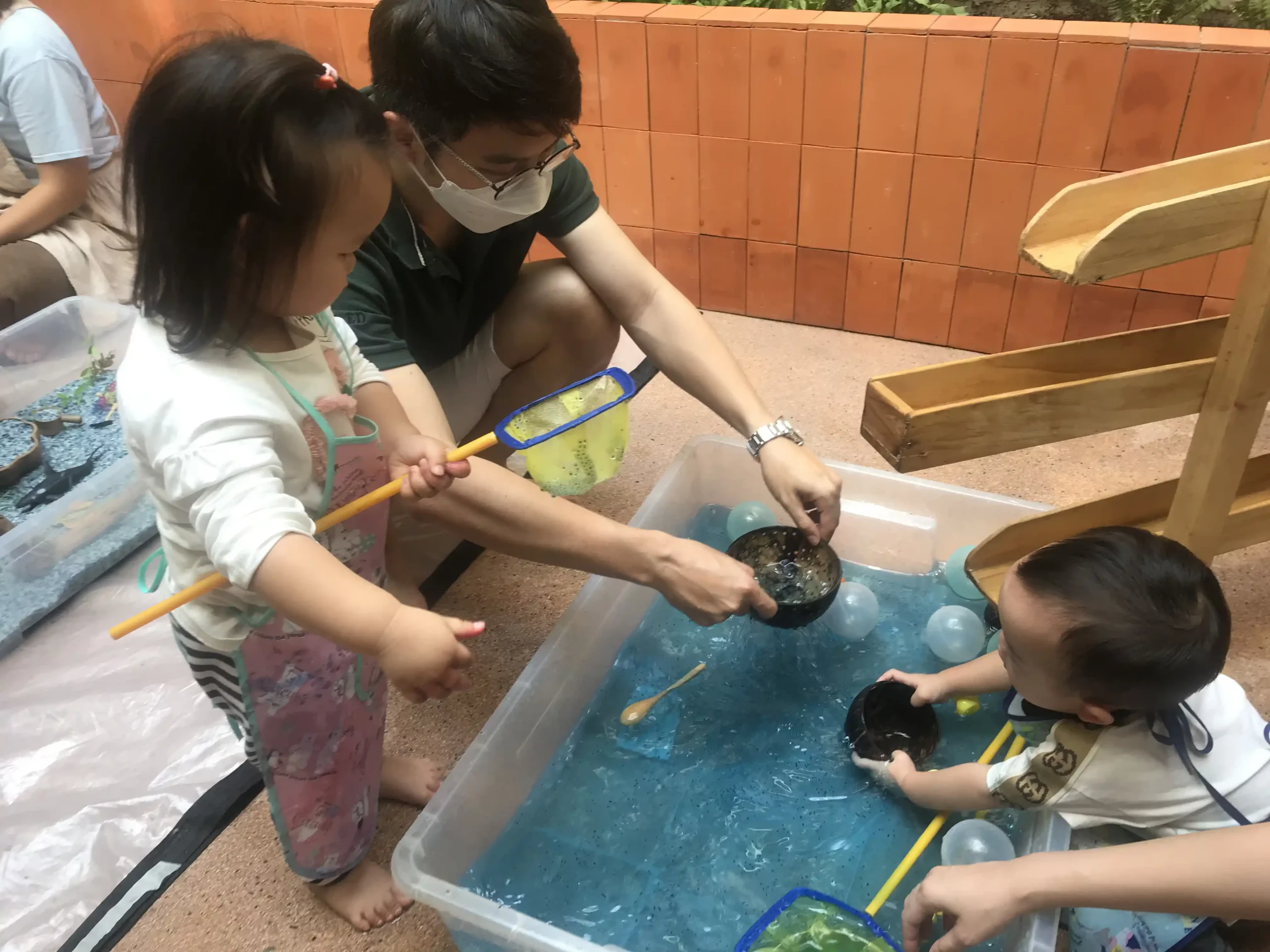
- Play-Based Learning: Purposeful play builds problem-solving and creative thinking naturally within a supported environment.
- Small Class Sizes: Low student-to-teacher ratios ensure personalized attention and consistent developmental monitoring.
- Multilingual Exposure: English alongside Thai or other languages supports early bilingual brain development.
- Daily Routine: Predictable schedules build self-regulation, a key indicator of future academic success.
- Parent Collaboration: Regular school-home communication reinforces learning beyond classroom hours.
A structured international nursery environment builds the consistency children need to grow into confident, curious learners.
What Key Skills Does a Nursery School in Bangkok Help Children Develop?
A nursery school in Bangkok targets a broad range of developmental skills through guided activities and daily routines. Children build early literacy and numeracy through storytelling, rhymes, and hands-on exploration. According to the World Health Organization (WHO), children in structured early education show stronger executive function and self-control compared to those without early interventions.
How Does Nursery Education Support Social and Emotional Development?
Social and emotional learning is a core priority in international nursery programs, building skills that go well beyond the classroom.
- Peer Interaction: Group activities teach children to share, take turns, and handle minor conflicts constructively.
- Emotional Vocabulary: Teachers guide children to identify and express feelings, building emotional intelligence early.
- Cultural Awareness: Diverse international classrooms foster empathy and cross-cultural communication from the start.
- Confidence and Resilience: Recognizing small achievements consistently strengthens self-esteem and the ability to recover from setbacks.
Strong social-emotional foundations in nursery school directly link to better behavioral outcomes in primary school (OECD, 2021).
What Curriculum Approaches are Common in Bangkok International Nursery Schools?
Bangkok’s international nursery schools follow recognized frameworks that prioritize child-centered learning over rote instruction. The EYFS framework covers seven areas including communication, language, and personal social development. Reggio Emilia and Montessori-influenced programs are also present, focusing on inquiry, independence, and hands-on exploration.
How to Choose the Right Nursery in Bangkok for Your Child?
Choosing a nursery in Bangkok means looking beyond location and fees to evaluate what truly supports a child’s development.
- Curriculum Alignment: Match the school’s philosophy to the child’s natural learning style, whether play-based, inquiry-driven, or Montessori.
- Teacher Qualifications: Look for educators with recognized early childhood credentials and international curriculum experience.
- Safe Environment: Outdoor areas, age-appropriate materials, and organized classrooms signal quality.
- Language of Instruction: Bilingual or English-medium programs benefit expat families and those seeking early immersion.
- Accessibility: A nursery close to home or work reduces daily stress and supports consistent attendance.
Visiting a nursery in Bangkok in person and observing an active class remains the most reliable way to find the right fit for a child.
Why Choose Little Treehouse Nursery?
Little Treehouse Nursery offers a nurturing international learning environment in Bangkok designed around the developmental needs of children aged 2 to 5. The school follows a child-centered curriculum that combines structured play, multilingual exposure, and experienced early childhood educators committed to each child’s growth. Families seeking a trusted nursery in Bangkok will find a community-focused setting where learning, safety, and belonging come together from day one.
Conclusion
Nursery education in international schools builds the cognitive, social, and emotional foundations children need for lifelong learning. A quality nursery school in Bangkok makes that early difference last.
Little Treehouse Nursery offers a warm, international learning environment where every child is supported to grow and thrive. Get in touch with Little Treehouse Nursery today and give your child the strong start they deserve!
Leave a reply