 41/2 Sukhumvit Road, Khlong Tan Nuea, Watthana, Bangkok 10110
 094-792-9979
 Mon - Fri: 8.00 AM. - 4.00 PM.
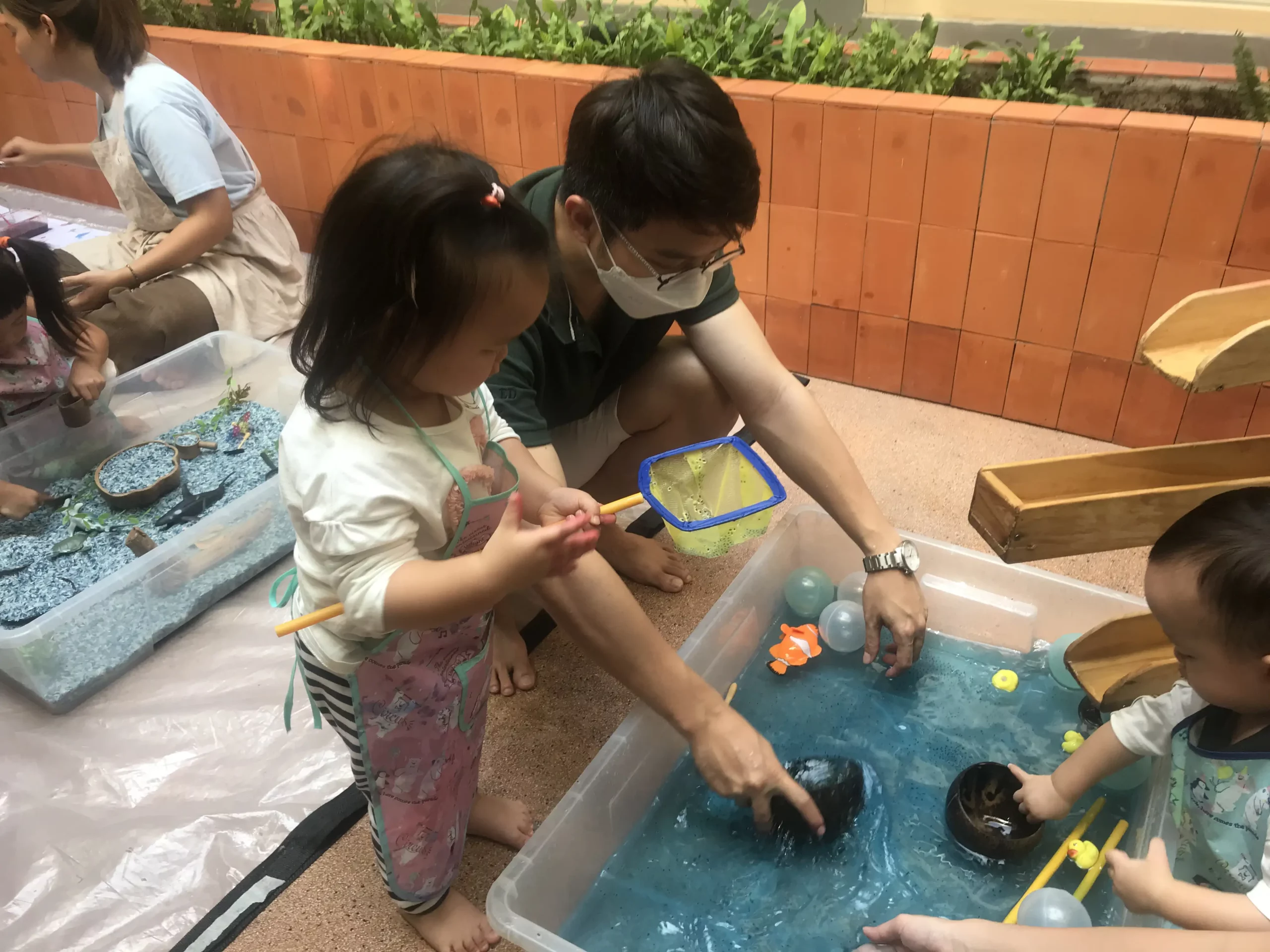
International school nurseries combine globally recognized curricula, multilingual environments, and play-based learning. Children build language, cognitive, and social skills earlier and more holistically. For families seeking a nursery in Bangkok or a nursery in Thailand, international programs offer structured, transferable early education designed for globally mobile children.
Early childhood education shapes how children think, communicate, and connect with the world. Little Treehouse Nursery in Bangkok is one example of how international nursery education blends structured frameworks with child-centered exploration.
What is Nursery Education in International Schools?
Nursery education in international schools covers early childhood programs for children aged 2 to 5, following frameworks such as IB PYP, EYFS, or Reggio Emilia. These programs serve multicultural student populations through bilingual or multilingual instruction. Standards are benchmarked against bodies like the Council of International Schools (CIS) and WASC.
How is International Nursery Different from A Local Preschool?
International nurseries follow globally standardized frameworks with multilingual teachers and measurable developmental benchmarks. Local preschools focus primarily on the national language and government curriculum. The key difference is scope: international nurseries prepare children for a globally mobile academic path from age two.
How International Nurseries in Bangkok Approach Early Learning
International nurseries in Bangkok build learning around child development research rather than rote memorization. Every activity balances guided instruction with hands-on exploration.
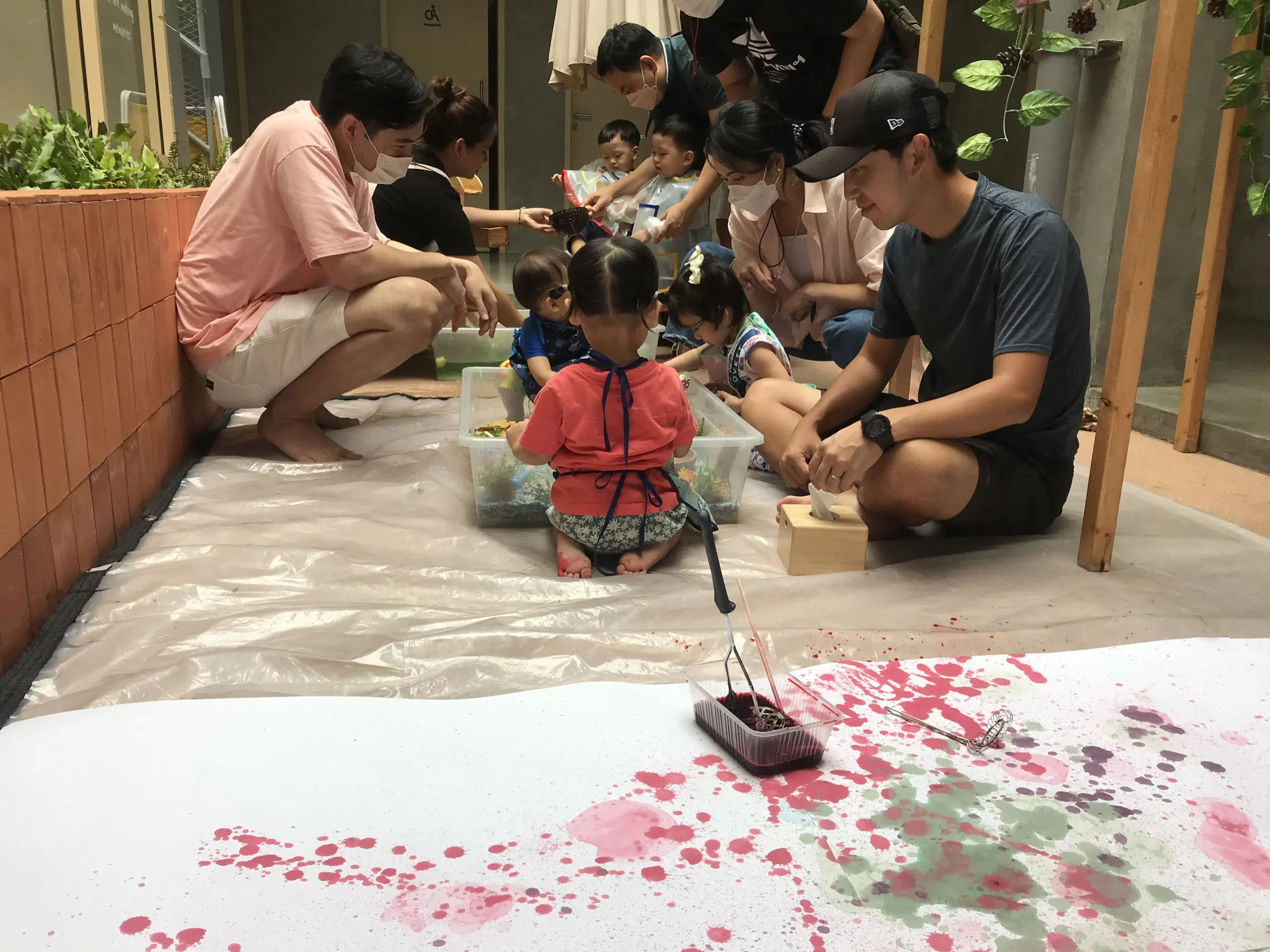
- Play-Based Learning: Children develop problem-solving, language, and motor skills through structured and imaginative play.
- Inquiry-Based Exploration: Children investigate real topics with teacher guidance, building critical thinking from age three.
- Social-Emotional Learning (SEL): Daily routines help children regulate emotions, collaborate, and develop empathy.
- Low Teacher-to-Child Ratios: Ratios of 1:5 or better ensure individualized attention and consistent developmental monitoring.
Research from the Harvard Center on the Developing Child confirms that responsive early learning environments significantly improve long-term academic and social outcomes.
What Curriculum Do Nurseries in International Schools Follow?
International nurseries use research-backed frameworks aligned with global child development standards. Families choosing a nursery in Thailand will typically encounter one of these four curricula.
- EYFS: A UK-based framework covering communication, physical development, literacy, and understanding the world.
- IB PYP: An inquiry-driven approach building independent thinking and global awareness through interdisciplinary themes.
- Reggio Emilia: A child-led philosophy using projects and documentation to drive discovery and creativity.
- Montessori: A self-directed model where hands-on materials and collaborative play form the core of daily learning.
Each framework is internationally recognized and used by accredited international schools across Thailand and Southeast Asia.
How Does Language Development Work in International Nursery Settings?
International nurseries in Bangkok deliver bilingual instruction, with English as the primary language alongside Thai or a third supported language. According to the American Speech-Language-Hearing Association (ASHA), children exposed to more than one language before age five develop stronger phonological awareness and cognitive flexibility. Bilingual exposure strengthens communication across both languages over time, not delays it.
What Makes The Learning Environment in International Schools Different?
The physical design and daily culture of an international nursery are both built intentionally to support early development. Space and community shape how children grow.
- Purpose-Built Classrooms: Age-appropriate stations, sensory areas, reading corners, and outdoor learning spaces create a rich daily environment.
- Multicultural Community: Children learn alongside peers from different nationalities, building cultural awareness from the earliest school years.
- Internationally Qualified Educators: Teachers hold credentials such as PGCE, QTS, or ECE certifications and undergo regular professional development.
- Structured Parental Communication: Progress is shared through digital portfolios, apps, and scheduled developmental meetings.
These factors create a setting where children feel secure, stimulated, and socially supported every day.
Is Nursery in An International School in Thailand Worth The Investment?
According to the OECD Education at a Glance 2023 report, early childhood education participation is one of the strongest predictors of academic readiness by age ten. International nurseries in Thailand provide structured continuity for globally mobile families, with records transferable across international school networks. Children from accredited international nurseries also transition into primary school with fewer academic and social adjustment challenges.
Why Enroll in Little Treehouse Nursery?
Little Treehouse Nursery in Bangkok offers a nurturing, play-based environment built around internationally recognized early childhood frameworks tailored for children aged 2 to 5. The nursery maintains small class sizes, ensuring every child receives focused developmental support from qualified international educators. Families seeking a trusted nursery in Bangkok with a multicultural community and structured learning will find Little Treehouse Nursery a strong foundation for their child’s academic journey.
Conclusion
Nursery education in international schools stands apart through globally recognized curricula, multilingual instruction, and environments designed around how children naturally learn and grow. These programs build more than academic readiness; they shape confident, socially aware, and culturally adaptable children from the earliest years.
Little Treehouse Nursery in Bangkok brings these international standards to life in a warm, child-centered setting that supports every stage of early development. If you are looking for a trusted nursery in Bangkok that combines structured learning with genuine care, contact Little Treehouse Nursery now to schedule a visit and learn more about enrollment!
Leave a reply