 41/2 Sukhumvit Road, Khlong Tan Nuea, Watthana, Bangkok 10110
 094-792-9979
 Mon - Fri: 8.00 AM. - 4.00 PM.
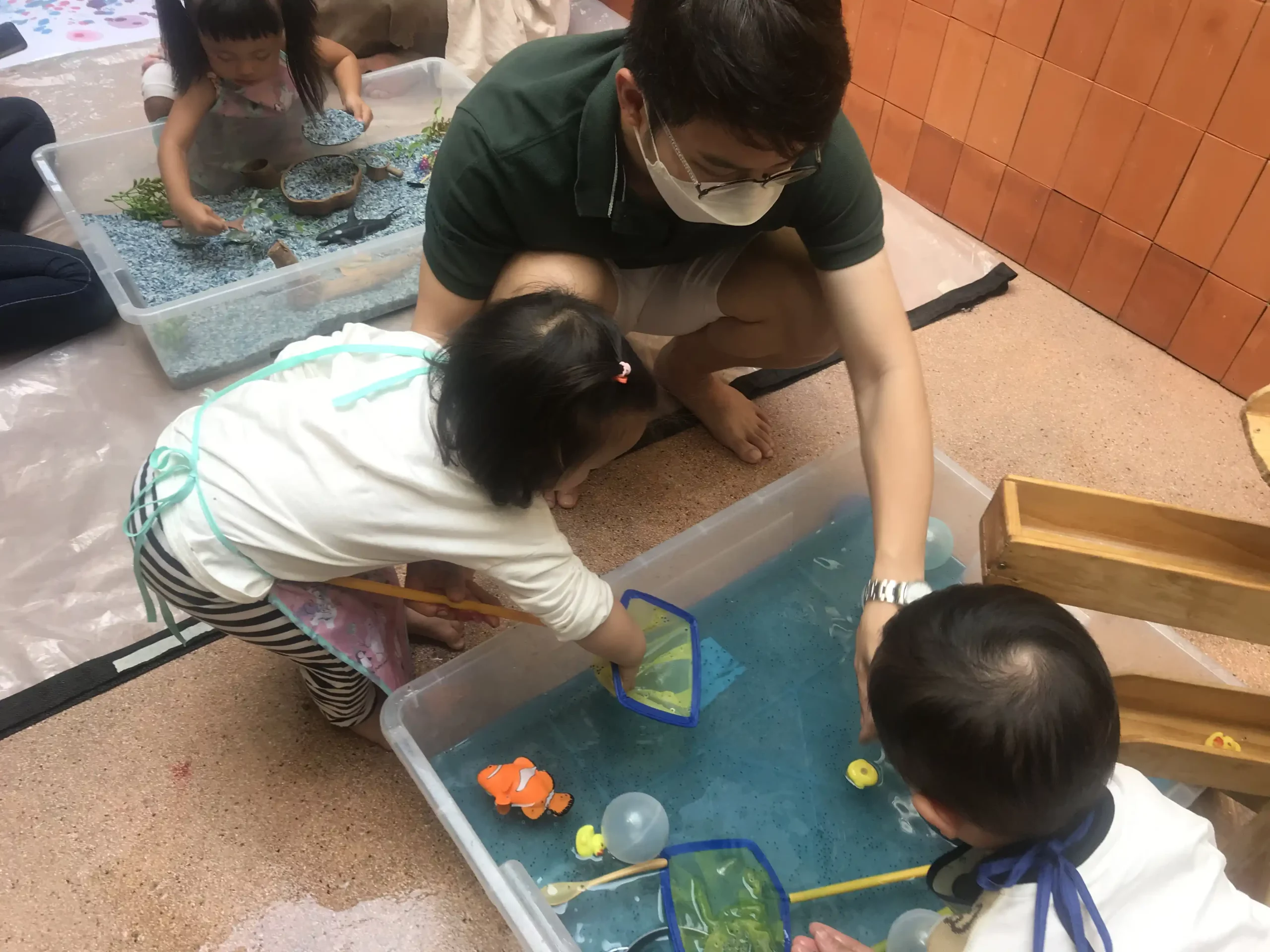
An international kindergarten builds confidence through play-based learning, small class sizes, and daily exposure to different languages and cultures. Children get more chances to try things, make mistakes, and solve problems on their own. In Bangkok specifically, where families arrive from dozens of countries, this tends to happen faster than it might in a single-culture classroom.
Choosing where to send a toddler for their first years of formal learning feels bigger than it should, mostly because so much rides on the environment being right. Little Treehouse Nursery, based in the Thonglor and Ekkamai area of Bangkok, is built around one idea: confidence isn’t taught directly. It grows through repeated small experiences of being capable.
What Is an International Kindergarten and How Does It Differ From a Local School?
An international kindergarten typically follows a curriculum developed outside Thailand, most often the British Early Years Foundation Stage (EYFS), with English as the main language of instruction. Local Thai kindergartens generally follow the Ministry of Education’s national curriculum in Thai. The differences show up fast once you visit a few schools.
- Class sizes at international kindergartens run smaller, often 10 to 15 children with multiple teachers
- Teaching staff usually mix native English speakers with Thai co-teachers
- Classrooms lean toward play-based and inquiry-led activities over seat work
- Families come from a much wider spread of nationalities
Neither system is better for every family. They’re different tools for different goals.
How Does an International Kindergarten Build Confidence in Young Children?
Confidence at this age isn’t self-esteem talk. It’s built through small, repeated wins: pouring water without spilling it, finishing a puzzle a friend gave up on, being understood by a teacher who doesn’t speak the same first language. The EYFS statutory framework describes every child as capable, confident and self-assured by design, and play-based classrooms simply give more daily opportunities to prove that true. A child working out how to ask a friend from another country to share a toy, without a shared language to lean on, is doing real cognitive work. Doing that often builds a kind of social confidence that’s hard to replicate elsewhere.
What Makes the EYFS Curriculum Effective for Early Years Learning in Bangkok?
The EYFS covers seven areas of learning and assesses children through ongoing observation rather than formal testing. That flexibility matters in a Bangkok classroom where one child might speak Korean at home, another Thai, another German. Research on early bilingualism backs this up: there’s no evidence that bilingual children are confused by early exposure to two languages, and the cognitive advantages run counter to older fears about intellectual fatigue. It’s a fair question parents ask often, and the honest answer leans reassuring, not neutral.
How Do International Schools Prepare Children for Life in a Global Community?
Children who spend early years around classmates from a dozen countries tend to arrive at primary school already comfortable with the basics of cultural difference, things that can take other children a term or two to adjust to. It’s not that these kids are smarter. They’ve simply had more practice reading a new situation and joining in without needing everything to feel familiar first. Whether that matters more than deep fluency in one home culture is a fair question, and reasonable parents land differently on it.
What Should Parents Look for When Choosing a Kindergarten in Bangkok?
Fees and location dominate early conversations, but they rarely end up mattering most a year in. A few questions separate a good fit from a mediocre one.
- Ask how the school handles a child arriving with little English, and how long that transition usually takes
- Visit on a normal school day rather than an open house, since open houses are staged
- Ask about teacher retention, since high turnover undoes the consistency young children rely on
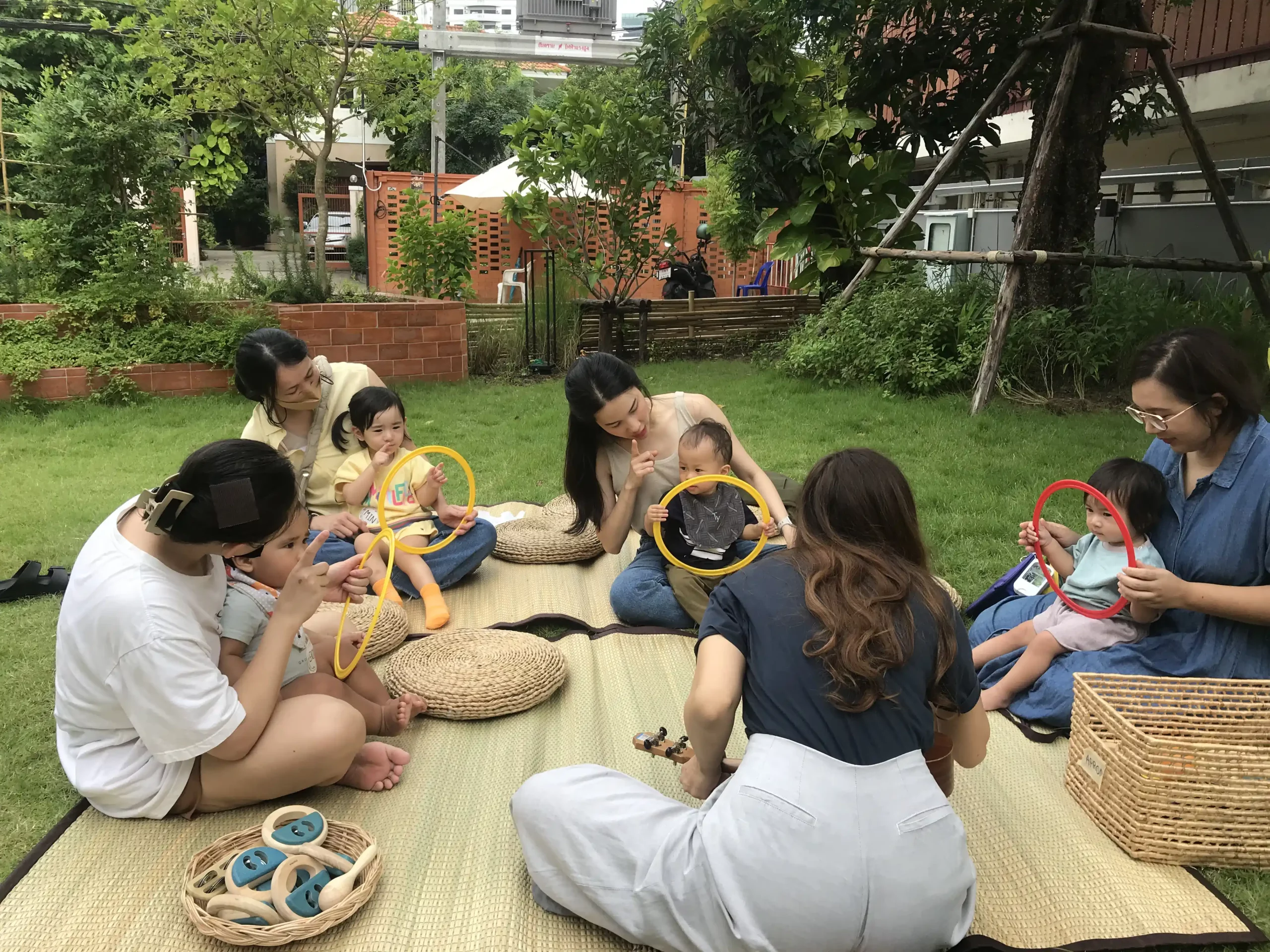
- Check the outdoor space in person, since photos rarely show whether a “garden” is real green space
Most parents visit three or four schools before deciding. That extra week is worth it.
Why Choose Little Treehouse Nursery?
Little Treehouse Nursery follows the British EYFS curriculum on a genuinely green campus in Thonglor, blending in Reggio Emilia and Montessori ideas rather than sticking to one method alone. The school runs four class levels, from Nursery through Kindergarten 2, for children aged one to five, with a free shuttle connecting families to BTS Thonglor and BTS Phrom Phong. Its location inside the Thonglor and Ekkamai corridor puts it within a short walk or shuttle ride of most of the families it serves.
Conclusion
Confidence in early childhood doesn’t come from one big moment. It builds slowly, through small chances to try something new and see it actually work out, which is what a well run international kindergarten in Bangkok is designed to give a child, day after day.
Little Treehouse Nursery offers that mix of structure and freedom inside a green, multicultural classroom in the heart of Thonglor. Reach out to Little Treehouse Nursery today and book a visit to see what a normal morning there really looks like!

Leave a reply