 41/2 Sukhumvit Road, Khlong Tan Nuea, Watthana, Bangkok 10110
 094-792-9979
 Mon - Fri: 8.00 AM. - 4.00 PM.
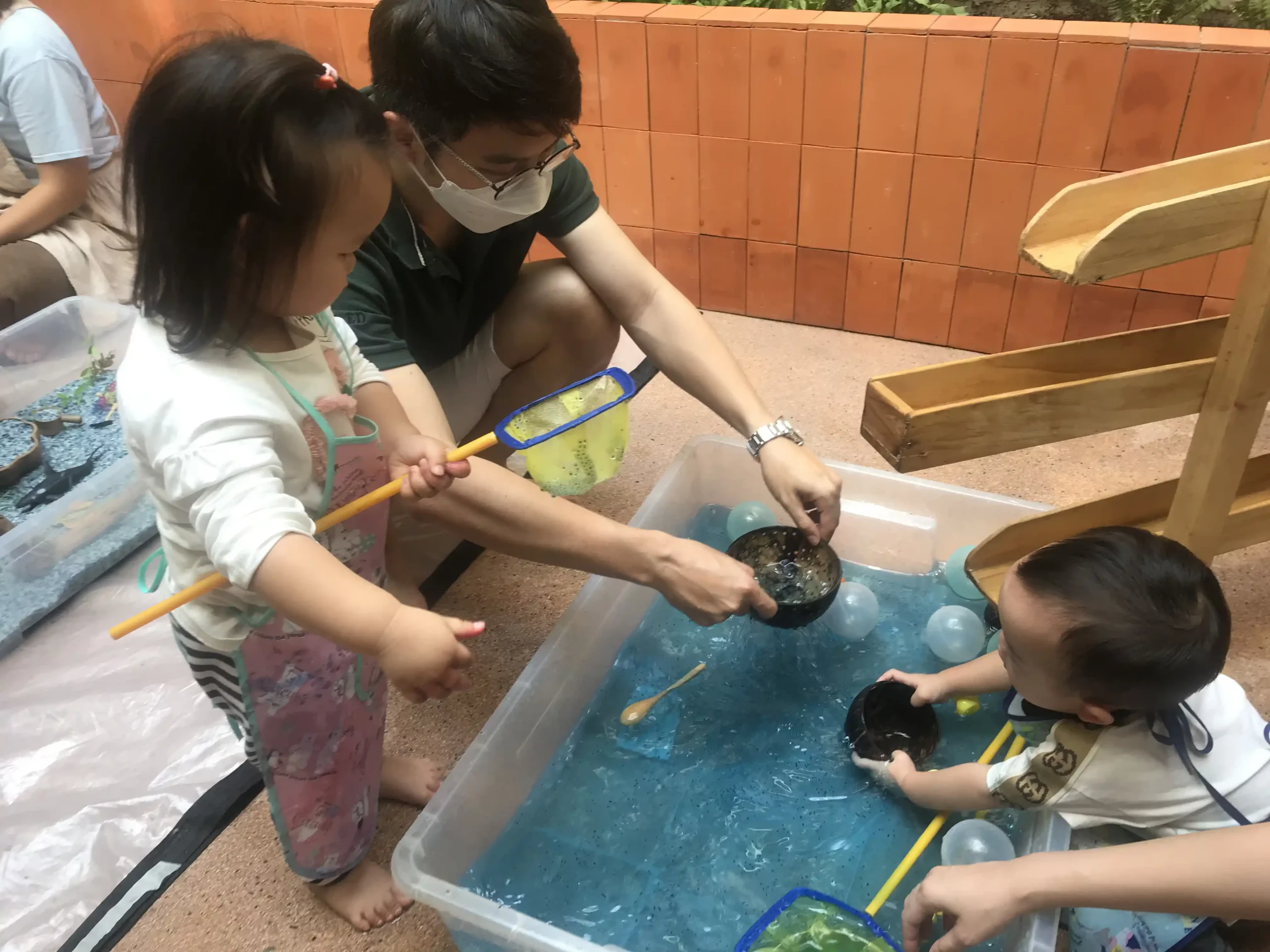
International nursery programs build daily life skills through repeated, practical routines rather than worksheets. Children learn to dress themselves, pour their own water, tidy shared spaces, and manage small social conflicts because the classroom is set up to let them practice these acts every single day. In Bangkok specifically, this usually means EYFS style personal and social development goals paired with Montessori inspired practical life stations, delivered in English medium settings that also expose children to different cultures and languages.
Ask a parent what they actually want from a nursery, and “life skills” comes up almost as often as “good teachers.” Little Treehouse Nursery, an international nursery based in Bangkok’s Thonglor and Ekkamai area, is one of several schools built around that idea: that a three year old pouring their own juice or zipping a jacket is doing something just as developmentally important as learning colors. The rest of this piece looks at what that actually involves day to day, not just what a brochure says.
What Daily Life Skills Do Nursery Services Actually Teach Young Children
Most nursery services group daily life skills into a handful of categories, though labels vary by curriculum. The EYFS framework, which many Bangkok international nurseries follow, calls this “Managing Self” and treats it as part of a wider goal around helping children manage their own bodies and personal needs independently, alongside healthy habits like handwashing and good eating.
- Self care tasks such as washing hands, buttoning a jacket, or using the toilet independently
- Food related skills including pouring, spreading, and tidying up after a snack
- Turn taking and basic conflict resolution during shared play
- Care of the environment, like returning toys to a labeled shelf
- Simple decision making, such as choosing between two activities
None of this looks impressive on a report card. Early years researchers still treat it as the layer everything else gets built on.
How Do International Nurseries in Bangkok Structure a Typical Day
A typical day alternates free play, structured circle time, and transitions, and the transitions are where most life skills actually get rehearsed. Getting a room of toddlers to wash hands before snack, or to line up for the shuttle to Thonglor BTS, is repetitive on purpose. Repetition, not a single lesson, is what makes a skill stick at this age.
Why Do International Schools Emphasize Independence Over Academics in Early Years
Montessori educators have argued for over a century that the drive toward independence, not formal instruction, is what actually defines children between one and six, and that practical life activities like pouring and dressing build motor control and concentration in the process. Literacy and number sense tend to move faster once a child can already manage their own body and belongings, which is part of why international schools front load this work. It isn’t that academics don’t matter. They’re just easier to teach once a child can sit still, wait a turn, and follow a two step instruction.
What Practical Life Activities Should Parents Look for When Choosing a Nursery in Bangkok
Not every nursery that claims to build independence actually structures its classroom that way. A few concrete things are worth checking on a tour.
- Child sized furniture and utensils that let toddlers pour, serve, and clean up without adult help
- A visible, labeled food prep or snack station, rather than food handled entirely out of sight
- Open, low shelving with practical life materials at child height, not locked cupboards
- A named curriculum framework, such as EYFS or Montessori, instead of a vague “play based” label
- Outdoor or green space where children can carry, dig, and get properly dirty
If a tour shows mostly worksheets and a smartboard, that’s a fair signal the daily life skills piece is an afterthought.
How Nursery Services Near Thonglor and Ekkamai Support Expat Families
Thonglor and Ekkamai carry a dense cluster of international nurseries partly because so many expat families live within a few BTS stops. A recent roundup of Bangkok nurseries pointed out that expat heavy pockets like Ekkamai and Phrom Phong specifically draw schools built around the cultural needs of international families. For a newly arrived household, that geographic convenience often matters as much as the curriculum on paper, since it decides whether daily pickup is sustainable.
What Do Parents and Reviews Say About Life Skills Development in Nursery Programs
Parent reviews of Bangkok nurseries tend to focus less on academics and more on whether a child got noticeably more capable and confident. A few patterns show up repeatedly in public reviews and preschool roundups.
- Parents often note visible gains in English confidence and social ease within a term or two of starting
- Daily photo updates from teachers come up often as proof a child is being watched closely, not just supervised
- Physical safety details, like finger guards on doors, get mentioned specifically enough to suggest parents check for them
- Comparative roundups tend to favor schools with a defined curriculum framework and small class sizes over unstructured “playgroup” setups
None of this replaces an actual visit. It does explain why word of mouth still outweighs a glossy brochure in this particular decision.
Why Go to Little Treehouse Nursery?
Little Treehouse Nursery runs on the British EYFS curriculum alongside Montessori and Reggio Emilia influences, which means daily life skills are built into the classroom structure rather than treated as an extra. The school sits in the Thonglor and Ekkamai area with a free shuttle to nearby BTS stations, and classes are kept to four defined groups spanning ages one to five so routines like snack prep and clean up stay consistent. Health, safety, and sustainability practices, including child proofed doors and a green outdoor space, are worked into everyday activities instead of being confined to a separate lesson.
Conclusion
A nursery that talks about independence and one that actually builds a classroom around it are two different things, and the difference usually shows up in small details: whether shelves are at child height, whether snack time is hands on or handled entirely by staff, whether a tour includes a food prep station or just a smartboard. Parents comparing options in Bangkok’s Thonglor and Ekkamai area have no shortage of choices, but the ones worth shortlisting tend to be the ones where daily life skills are visible in the room itself, not just listed in a brochure.
Leave a reply