 41/2 Sukhumvit Road, Khlong Tan Nuea, Watthana, Bangkok 10110
 094-792-9979
 Mon - Fri: 8.00 AM. - 4.00 PM.
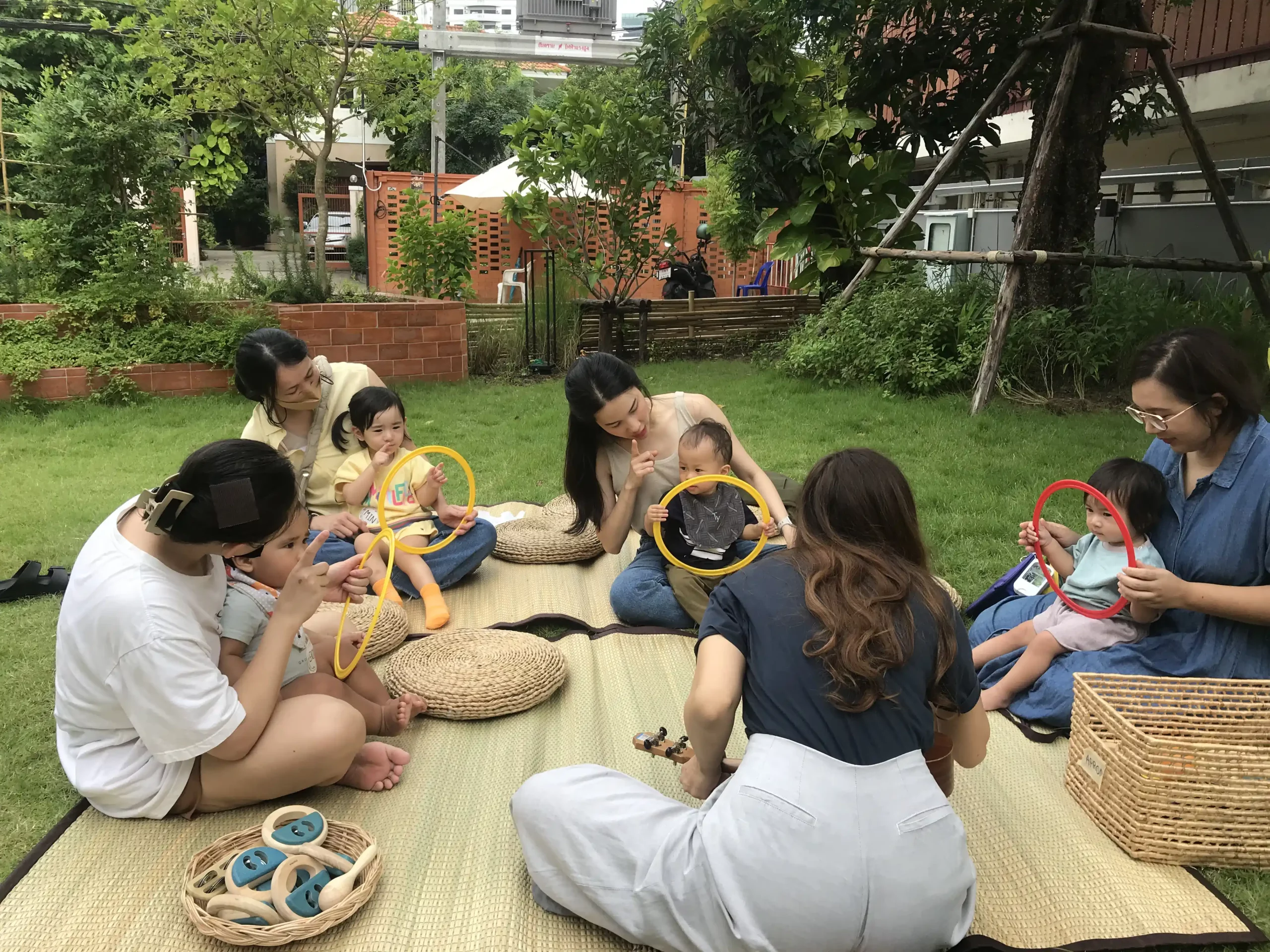
Parent-school partnerships matter in early childhood education because young children learn faster and adjust better when home and preschool routines reinforce each other. Research on early learning consistently links regular parent involvement to stronger literacy, better social-emotional skills, and fewer behavioral issues later in school. A good nursery school treats parents as partners, not spectators, through open communication, shared routines, and consistent feedback.
Walk into any preschool classroom during pickup and you can usually tell within a minute which families talk to teachers regularly and which ones don’t. Little Treehouse Nursery has spent years building that kind of daily dialogue between parents and teachers, and it shows how quickly children settle in and start participating. That’s really the whole argument for this piece: partnership isn’t a nice extra, it’s part of how young children learn.
What Does a Parent School Partnership Actually Look Like
A real partnership goes beyond a WhatsApp group for reminders about show-and-tell. It means teachers explain what a child is working on and why, and parents share context that changes how a teacher reads a child’s behavior that day. One researcher’s meta-review of over 400 studies found small but statistically significant effects of parents’ school-based involvement on children’s academic and non-academic development. Small but real is a fair way to describe most of the evidence here, honestly, and that’s worth saying plainly rather than dressing it up.
- Daily or weekly notes on what a child did, not just whether they napped
- Two-way conversations where teachers ask questions instead of only reporting
- Shared expectations around routines like toilet training or screen time
- Invitations for parents to observe or join classroom activities occasionally
None of this needs to be elaborated. Consistency matters more than polish.
How Early Does Parent Involvement Actually Affect a Child’s Learning
Earlier than most people assume. A study following disadvantaged children through the Chicago Longitudinal Study found that even after adjusting for family background, the number of activities parents participated in during preschool and kindergarten was tied to higher reading achievement and lower rates of grade retention by eighth grade. That’s a long runway from a few preschool years, but it lines up with what nursery teachers see day to day. A three-year-old whose parents read with them at home tends to sit still for story time more easily. It’s not magic; it’s repetition.
What Role Does Communication Play in A Nursery School Partnership
- Brief daily updates so parents know what happened, good or bad
- Scheduled check-ins that go deeper than a hallway chat
- Clear, early flagging of concerns instead of waiting for a formal meeting
- A shared understanding of what “progress” looks like for a two or three year old
Communication is where most partnerships either take root or quietly fall apart. Parents who feel informed tend to stay engaged. Parents who only hear from a school when something’s wrong tend to disengage, which is the opposite of what anyone wants.
Why Do Some Parents Struggle to Stay Involved in Preschool
Time, mostly. Some families are managing shift work, multiple children, or simply don’t speak the school’s primary language comfortably. A widely cited paper on parental engagement noted that families face real socio-economic barriers, cultural disparities, and time limitations when trying to participate in early education. This is worth naming directly instead of assuming every parent who seems distant just doesn’t care. In an international preschool setting especially, where families are often relocating or juggling two working parents abroad, flexibility matters as much as good intentions.
How Does a Strong Partnership Affect Social and Emotional Development
- Children with involved caregivers tend to show steadier peer relationships
- Behavioral issues are often caught and addressed earlier
- Consistency between home and classroom reduces a child’s anxiety around transitions
- Kids pick up on whether their parents trust and respect their teachers
A comprehensive study following children from first through fifth grade found that parent involvement in early elementary school was linked to stronger socioemotional development and achievement in later years. Little Treehouse Nursery leans on this by keeping the loop between classroom and home tight, particularly for children still working through separation anxiety or big transitions like a new sibling.
What Should Parents Look for in An International Preschool’s Approach to Family Involvement
Not every school defines partnership the same way, and it’s worth asking direct questions before enrolling. How often will you hear from the teacher, and through what channel? Are parents invited into the classroom, or kept firmly at the door? Is there a real process for raising a concern, or does it disappear into a general inbox? A preschool that treats these questions seriously, rather than deflecting with a brochure answer, is usually one that’s thought about the relationship beyond marketing language.
Why Choose Little Treehouse Nursery?
Little Treehouse Nursery in Thonglor takes the parent-teacher relationship seriously rather than treating it as an afterthought squeezed into a monthly newsletter. Teachers share regular, specific updates on each child’s day, not generic templates, which gives parents something real to respond to. That consistency is part of why families relocating to Bangkok often settle into the school’s rhythm faster than they expect.
Conclusion
Preschool years move fast, and a lot of a child’s early confidence gets built in the gap between what happens at school and what happens at home. When those two environments talk to each other, kids notice, even if they can’t articulate why story time feels familiar or why a new routine doesn’t throw them off. That’s the quiet payoff of a real partnership, not a dramatic one, just steadier footing for a small person figuring things out.
Leave a reply