 41/2 Sukhumvit Road, Khlong Tan Nuea, Watthana, Bangkok 10110
 094-792-9979
 Mon - Fri: 8.00 AM. - 4.00 PM.
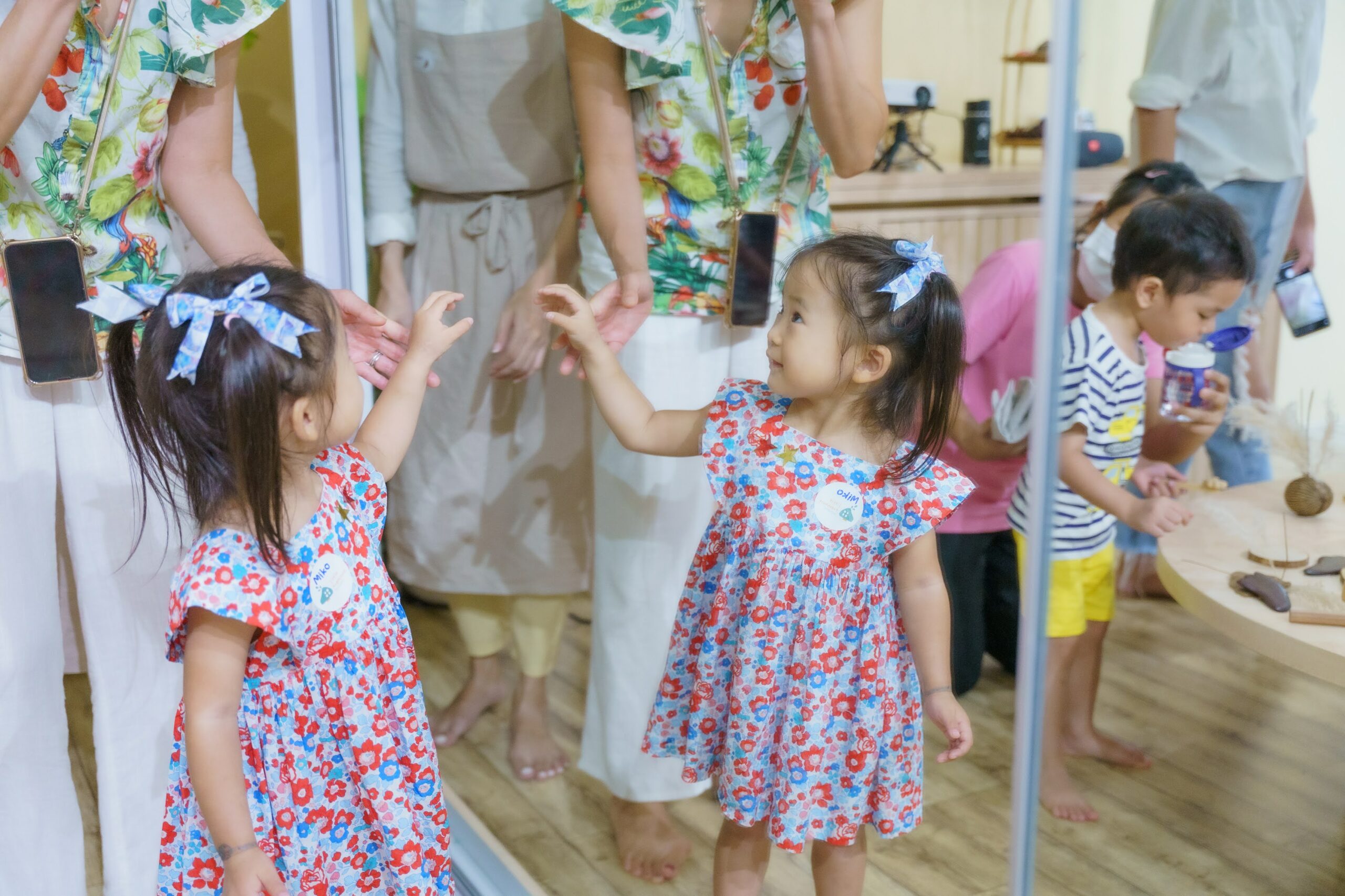
International preschools foster a love of learning by combining structured frameworks like the EYFS with daily hands-on play, exposure to different cultures, and small-group attention that lets a child move at their own pace. Rather than pushing early academics, the goal is to build curiosity, confidence, and the habits that make a child want to keep learning long after preschool ends. In Bangkok, where families come from dozens of countries, an international preschool in Bangkok also gives young children a social world that mirrors the one they will grow up in.
There is a moment every parent watches for. It is not the first word or the first step, it is the first time a child asks “why” and actually wants an answer. Little Treehouse Nursery in Thonglor sees that moment often, and it tends to happen faster in classrooms built around curiosity rather than compliance. That is really what separates a good international preschool from one that simply keeps children occupied until pickup time.
What Does It Mean for an International Preschool to Foster a Love of Learning?
A love of learning is not a subject you teach. It shows up as a child who keeps asking questions after the answer has already been given, who wants to try the puzzle again after getting it wrong the first time. International preschools tend to foster this by treating curiosity as the starting point of a lesson, not a distraction from it. The EYFS framework, the British early years standard many international schools follow, was built specifically to support this kind of learning through play rather than rote instruction.
How Does Play-Based Learning Build Curiosity and Confidence in Young Children?
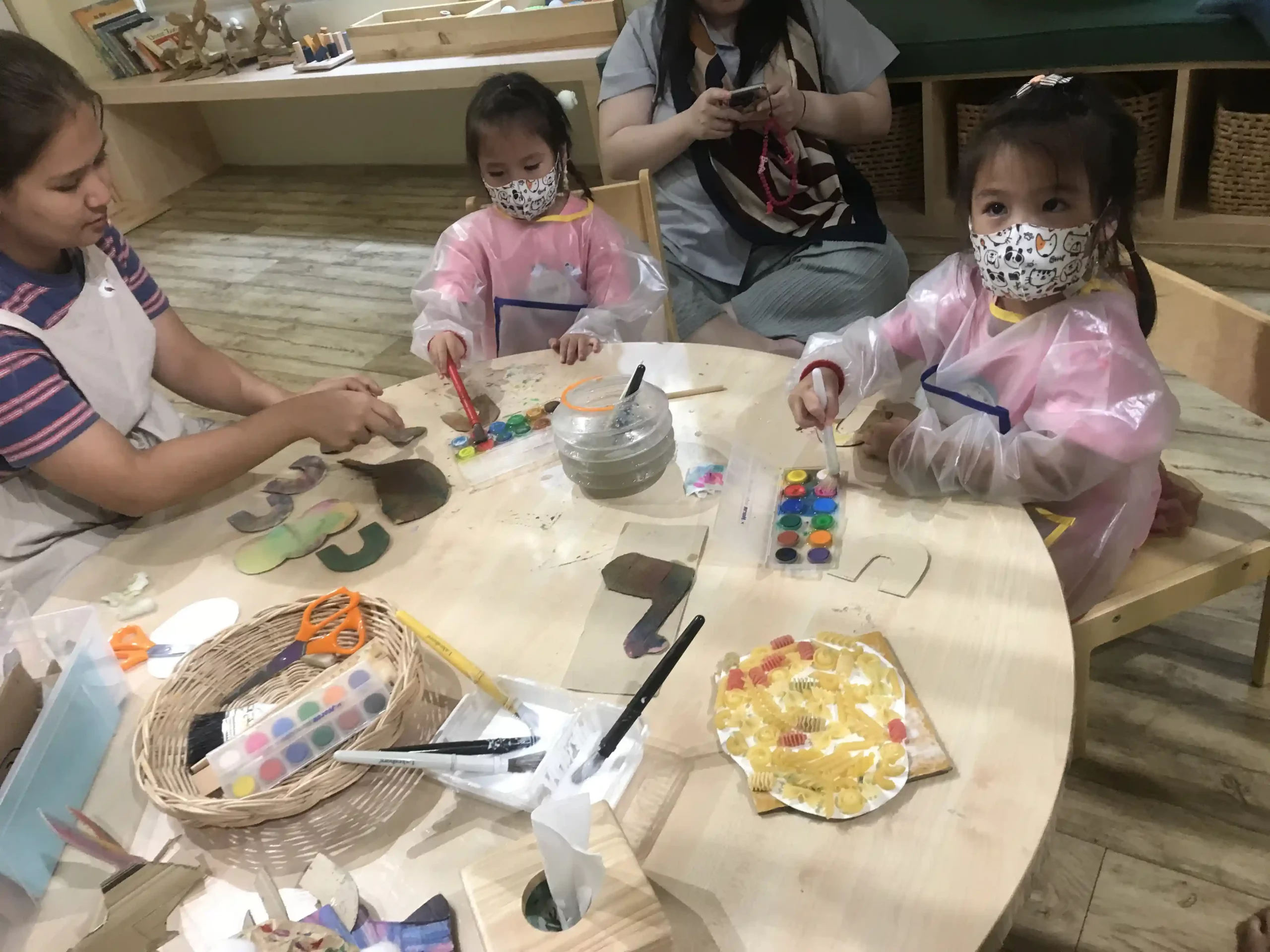
Play looks unstructured from the outside, but in a well-run classroom it is doing quite a lot of work. A child stacking blocks is testing balance and cause and effect. A child negotiating turns on a swing is practicing language and self-regulation at the same time.
- Sensory and nature-based play, which supports early problem-solving and creativity
- Role-play and storytelling, which build vocabulary and emotional understanding
- Collaborative games, which teach turn-taking and basic conflict resolution
The Education Endowment Foundation has found that structured early years approaches can add up to four months of additional progress in foundational skills, which is a meaningful head start before formal schooling even begins.
What Makes the EYFS Curriculum Different From a Standard Preschool Programme?
The EYFS covers seven learning areas, from communication and physical development to literacy and understanding the world, and it treats each child’s pace as valid rather than a problem to fix. It is a statutory framework in the UK and widely adopted by British international schools abroad specifically because it holds a consistent standard while staying flexible enough for different cultures and classroom sizes. What makes it different in practice is the emphasis on observation. Teachers document what a child actually does during play, then use that to shape what comes next, rather than following a fixed weekly script regardless of how the group is progressing.
How Does Being Around Children from Different Cultures Shape a Child’s Early Mindset?
A classroom with children from a dozen different countries change how kids think about difference long before they can articulate it. It becomes normal, not exotic. Research on early bilingual exposure backs this up in a concrete way: children who grow around multiple languages tend to show stronger executive function and cognitive flexibility, even before they are fully fluent in the second language. That advantage seems to come less from vocabulary and more from the constant mental switching, which functions almost like exercise for attention control. It is worth being honest that this takes time. A child does not absorb a second language or a new culture overnight, and there will be a settling-in period. But the long-term research on this is fairly consistent.
What Should Parents in Bangkok Look for When Comparing International Preschools?
Bangkok has a genuinely large number of preschool options, from small independent nurseries to large campus schools, and the right fit depends heavily on the individual child.
- Curriculum framework, whether EYFS, Montessori, Reggio Emilia, or a blend of approaches
- Class size and teacher-to-child ratio, since smaller groups usually mean more individual attention
- Location and commute, given how much Bangkok traffic can eat into a family’s day
- Outdoor and green space, particularly relevant given Bangkok’s air quality concerns during certain months
None of these factors matter in isolation. A school with an excellent curriculum but a punishing daily commute is not necessarily the better choice over one that is simply closer to home.
What Does Research Say About the Long-Term Impact of Quality Early Education?
The research on early years education is not just a marketing point, it is fairly well established at this stage.
- Early experiences have a lasting impact on learning behavior and wellbeing, according to UK early years research
- Structured play-based approaches show measurable gains in early literacy and numeracy skills
- Bilingual exposure in early childhood correlates with stronger working memory and problem-solving ability later on
None of this guarantees a particular outcome for any one child, learning is not that linear. But it does explain why so many educators treat the years before primary school as more than a holding pattern.
Why Enroll a Little Treehouse Nursery?
Little Treehouse Nursery follows the EYFS framework on a small, green campus in Thonglor, giving each child close attention rather than getting lost in a large cohort. The nursery brings together children from multiple nationalities, so cultural exposure happens through daily interaction rather than a special program bolted onto the curriculum. Outdoor and sensory play are built into the weekly structure, reflecting the same play-based approach that research links to stronger early problem-solving skills.
Conclusion
Choosing an international preschool comes down to more than rankings or brochures. It really is about whether a child leaves each day a little more curious than they arrived, and whether that curiosity gets nurtured rather than rushed toward early academics. The right environment does not force answers, it makes children want to ask better questions.
Little Treehouse Nursery in Thonglor builds its days around exactly that kind of curiosity, blending the EYFS framework with a genuinely multicultural classroom and daily outdoor play. Get in touch with Little Treehouse Nursery today and see what a morning in the classroom actually looks like!

Leave a reply