 41/2 Sukhumvit Road, Khlong Tan Nuea, Watthana, Bangkok 10110
 094-792-9979
 Mon - Fri: 8.00 AM. - 4.00 PM.
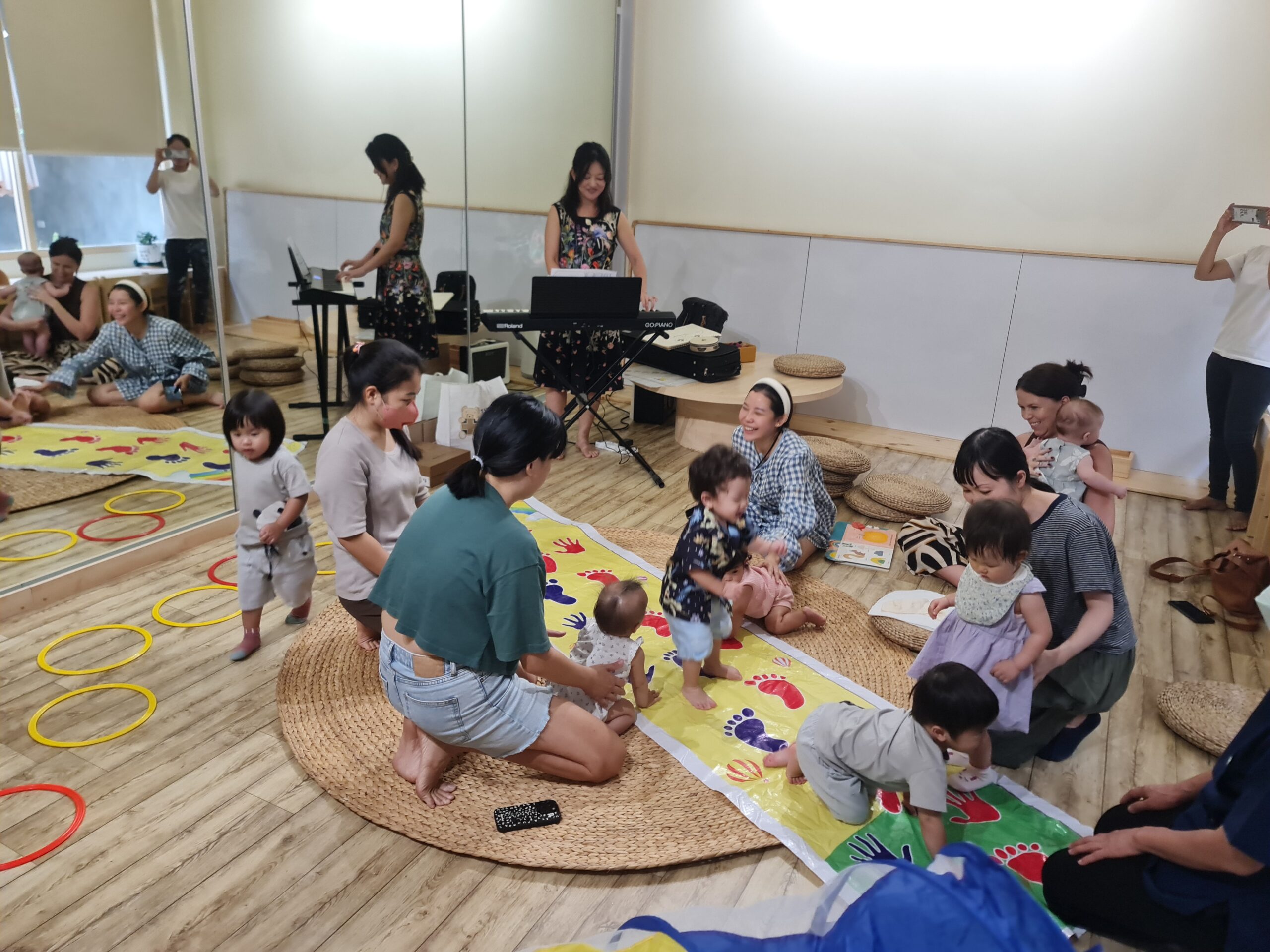
A smooth transition from nursery to kindergarten depends less on academic drilling and more on routine, independence, and communication between teachers and parents. Children who have practiced self care tasks, sat through group activities, and had some warning that change is coming tend to adjust faster than those who haven’t. Research on kindergarten transition consistently points to social and emotional readiness as a stronger predictor of early school success than letter recognition or counting. For families choosing an international kindergarten in Bangkok, the process usually spans several weeks of orientation, trial visits, and gradual separation rather than a single first day.
Every parent remembers some version of the same worry: will my child cry at drop off, will they make friends, will they cope. Little Treehouse Nursery in Thonglor has sat with hundreds of families going through exactly this shift from nursery to kindergarten, and the pattern that shows up again and again isn’t about academics at all. It’s about how prepared a child feels for the small, unglamorous parts of a school day: waiting their turn, packing a bag, sitting still for fifteen minutes. What follows looks at what eases that shift, based on research and the realities of moving through Bangkok’s early years system.
What Are the Signs a Child Is Ready to Move to Kindergarten
Readiness rarely announces itself with a single milestone. It tends to show up as a cluster of small behaviors that add up over a few months.
- Can follow a two-step instruction without needing it repeated
- Manages toileting and handwashing without adult help
- Sits through a short group activity, even if fidgety
- Separates from a parent without prolonged distress
- Shows curiosity about letters, numbers, or stories unprompted
- Communicates basic needs clearly, in English or another shared language
None of these need to be perfect. A child who is 80 percent there on most of these points is generally fine to start; kindergarten teachers expect to keep building the rest.
How Does an International Kindergarten Curriculum Differ from Nursery Programs
Nursery is largely play led, with structure built around a child’s interests and sensory exploration. Kindergarten introduces more formal blocks of time: literacy circles, number of work, and scheduled transitions between activities. Under frameworks like the EYFS curriculum, which many international kindergartens in Bangkok follow, this shift is meant to be gradual rather than abrupt, moving from child-initiated play toward more guided learning across the kindergarten years. The jump can still feel sudden to a child who is used to choosing their own activity most of the day.
What Can Parents Do at Home to Prepare a Child for Kindergarten
Home preparation matters more than most families expect, and it doesn’t require workbooks or flashcards.
- Practice a consistent morning routine weeks before term starts
- Read books about starting school to normalize the change
- Let the child pack their own bag, even if it’s done badly at first
- Talk through what a school day will look like, step by step
- Visit the new campus if a tour is offered, so the space feels familiar
A child who has rehearsed the routine, even loosely, tends to walk in with less anxiety than one meeting everything for the first time on day one.
How Long Does the Transition from Nursery to Kindergarten Usually Take
Most children settle within two to six weeks, though this varies widely. A 2022 study following children out of play based early education found that kids who’d had three or more years of that environment still described themselves as capable learners once they moved into kindergarten, suggesting the groundwork from nursery carries over even when the settling in period feels rocky at first. Some children adjust within days; others need a full term before the new rhythm feels normal, and that’s not a red flag on its own.
What Should Parents Look for in a Kindergarten in Bangkok
Location and curriculum matter, but the operational details often get missed until it’s too late.
- Confirm which curriculum framework the school follows and whether it aligns with future primary school plans
- Ask how the school handles separation anxiety in the first two weeks
- Check teacher to student ratios for the specific age group, not just the school average
- Look into transport options, since traffic across Bangkok can make a short distance take an hour
- Ask what communication tools parents get for daily updates
Local directories such as thebestinbangkok.com list a range of early years options across the city, which is worth a look when comparing beyond a single neighborhood.
What Role Do Teachers Play in Easing the Nursery to Kindergarten Shift
Teachers carry more weight in this transition than most parents realize going in. Government guidance from Connecticut’s Department of Education has found that the number of structured transition activities a school runs before term start correlates with stronger academic gains later in the year, particularly for children from less advantaged backgrounds. A teacher who sends a class list ahead of time, or arranges a short meet and greet, is doing something with measurable effect, not just a nicety.
Why Choose Little Treehouse Nursery?
Little Treehouse Nursery runs its early years program on the EYFS curriculum out of a green campus in Thonglor, with class sizes kept small enough for teachers to track each child’s readiness individually rather than by age alone. The school blends Reggio Emilia and Montessori influences with structured transition practices, including school tours and gradual orientation, the kind of preparation research links to smoother starts in kindergarten. Families based around Thonglor, Ekkamai, and Phromphong get the added practicality of a free BTS shuttle, which matters more than it sounds once daily drop offs become part of the routine.
Conclusion
Moving a child from nursery into kindergarten is rarely one clean jump. It’s a string of smaller adjustments, a new bag, a new room, a new set of faces, and most children need a few weeks before any of it feels ordinary. What helps isn’t perfection at home or academic prep started too early; it’s steady routine, a bit of advance warning, and a school willing to meet a child where they are on any given day.
Leave a reply